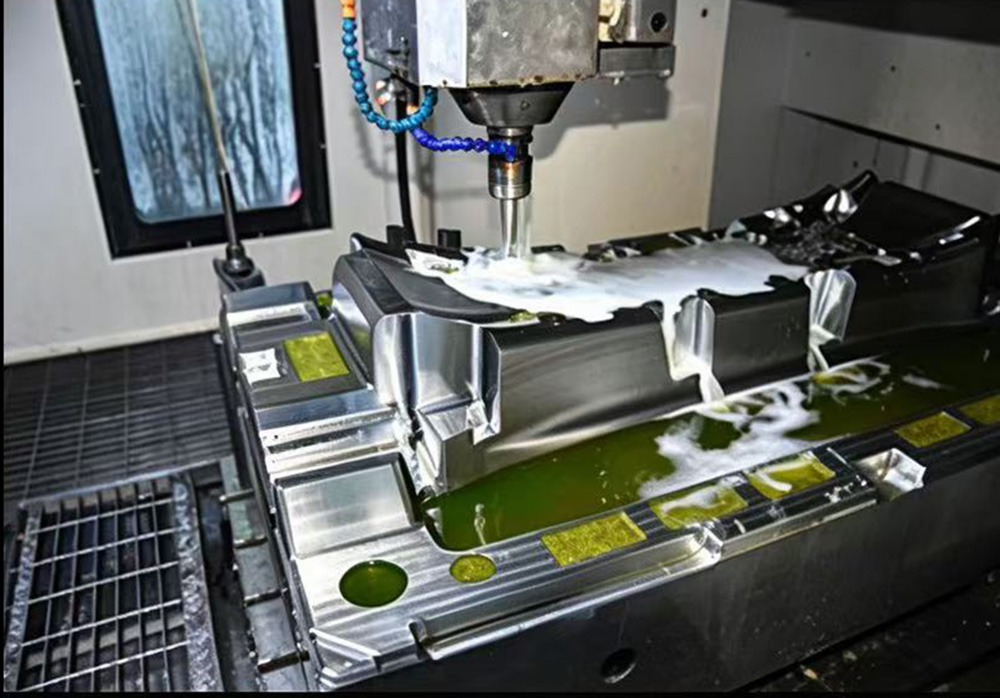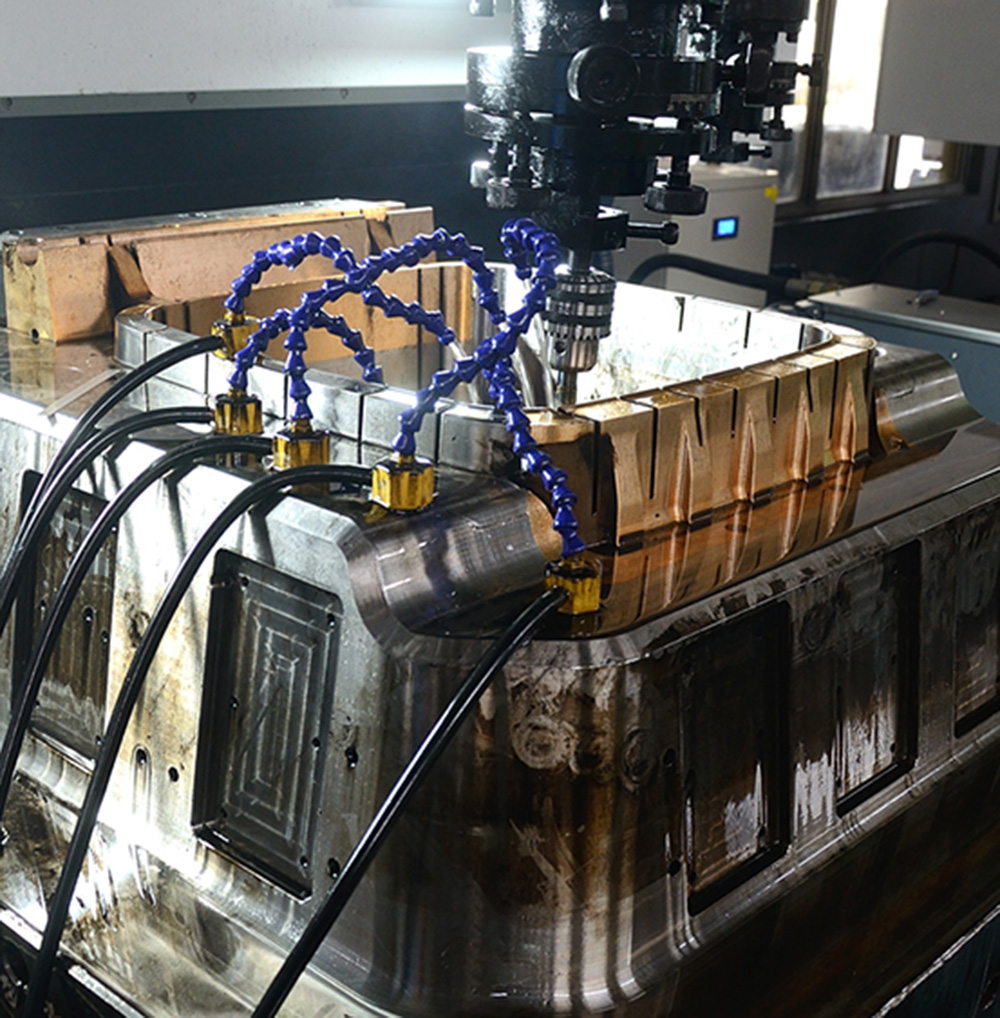

The fourth industrial revolution is transforming injection molding. Factories are evolving from "black boxes" of unpredictable production into transparent, data-driven smart environments. In this new paradigm, the mold itself is no longer a passive tool, but an intelligent asset capable of sensing, communicating, and optimizing its own performance.
At ISM, we are at the forefront of this transformation. We build intelligent molds (Molds 4.0) that integrate seamlessly with smart factories. Here is how ISM applies Industry 4.0 principles to make molds "smart."
1. The Smart Mold Concept: From "Dead Tool" to "Living Asset"
An intelligent mold is equipped with embedded sensors, digital communication interfaces, and a data-driven performance signature. It provides real-time feedback on critical parameters like temperature, pressure, and flow, turning a "dumb" piece of steel into a source of actionable data.
The goal of the smart mold: To eliminate "trial and error" from setup, reduce tuning and production start-up time by up to 30%, and enable predictive maintenance, drastically reducing unplanned downtime.
2. Sensors & Instrumentation: The "Nervous System" of the Mold
The cornerstone of an intelligent mold is its instrumentation. ISM integrates a network of micro-sensors that monitor the injection process from the inside out.
These sensor-embedded molds can be manufactured using advanced techniques like direct metallic rapid tooling, which allows micro-sensors to be embedded directly into the core and cavity. This provides unprecedented insight into the process, enabling real-time process optimization rather than post-mold inspection.
3. Data Acquisition & The Digital Twin
Collecting data is only the first step. To create real value, that data must be analyzed to create a Digital Twin—a virtual replica of the physical mold that simulates performance.
The ISM Digital Twin Approach:
Physical Sensing: The instrumented mold generates gigabytes of data per cycle about pressure, temperature, and fill time.
Virtual Simulation: This physical data is constantly compared against a dynamic simulation model (the Digital Twin).
Closed-Loop Control: The digital twin acts like a "decision brain." For example, if a hot runner zone drifts out of spec, the twin analyzes this change and recommends a correction to the molding machine's parameters to maintain product quality.
This "mutual feedback" between the physical mold and its digital twin allows for adaptive optimization "on the fly," rather than waiting until the end of a batch to discover defects.
4. Predictive Maintenance: Fixing Problems Before They Occur
The days of "blind" maintenance are over. In the Industry 4.0 mold, sensor data allows for predictive maintenance.
How it works:
Baseline Signature: When the mold is new, ISM records its "Mold Signature"—the ideal pressure and temperature profiles during a healthy cycle.
Real-Time Monitoring: The mold continuously compares its current performance to this baseline signature.
Predictive Alerts: If the pressure drops or temperature spikes in a way that indicates wear (e.g., a gate eroding or a heater failing), the system alerts the operator before a defect occurs. This reduces maintenance costs and eliminates emergency downtime.
5. Process Optimization & AI
The "smartness" of the mold is enhanced by Artificial Intelligence (AI). AI algorithms analyze the rich data from sensors to optimize settings like injection speed, holding pressure, and cooling time for each specific batch. This is particularly vital when using post-consumer recycled (PCR) materials, which have high batch-to-batch variation. An AI-driven mold can automatically adjust its "recipe" for each batch of resin, ensuring consistent quality without operator intervention.
6. Full Integration: The Smart Factory
The intelligent mold is not an island. It must be fully integrated into the Smart Factory ecosystem. ISM designs molds compatible with the MES (Manufacturing Execution System) and APS (Advanced Planning and Scheduling) systems that drive plant efficiency.
By connecting the mold's vital signs to the central system:
Transparency: The plant manager can see in real time which molds are running, which are idle, and what their cycle efficiency is.
Efficiency: Automated scheduling ensures the mold is matched with the optimal injection press, machine availability, and material supply.
Traceability: Every part produced can be linked back to specific cycle data from the mold, ensuring 100% quality traceability for critical industries.
7. How ISM Brings This to Reality
ISM is not just a mold maker; we are a partner in your digital transformation. Our strategy is to build the infrastructure for "Smart" into every mold we produce.
Conclusion
Industry 4.0 is here, and the mold is leading the charge. At ISM, we are actively creating a new generation of intelligent molds that deliver real-time data, predictive quality, and seamless integration with the smart factory ecosystem.
Contact ISM today to discuss how our intelligent mold technology can help you achieve the future of manufacturing.