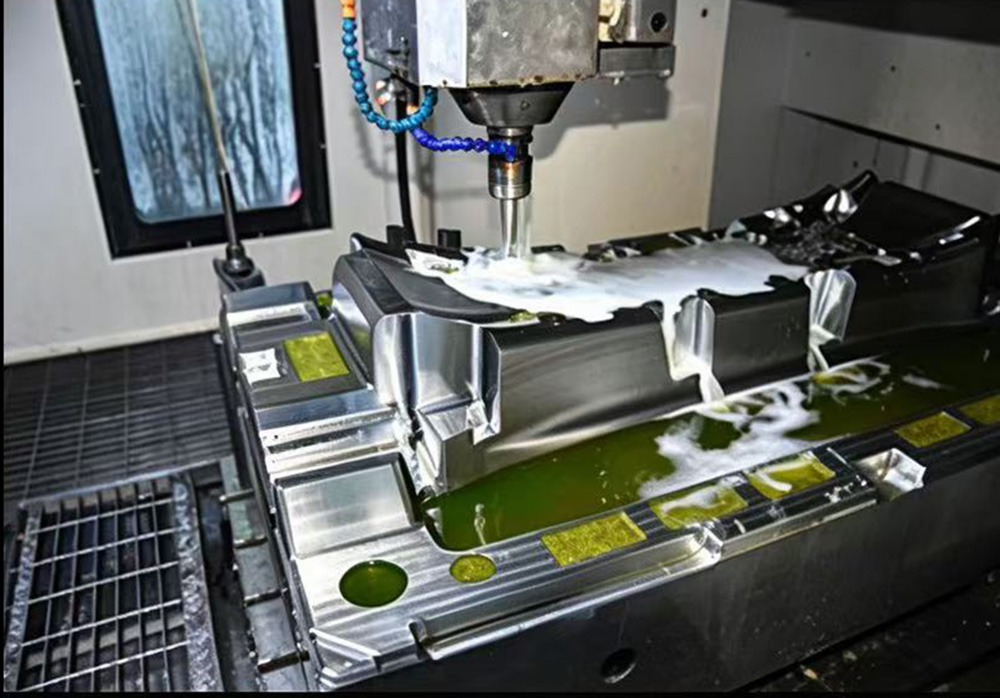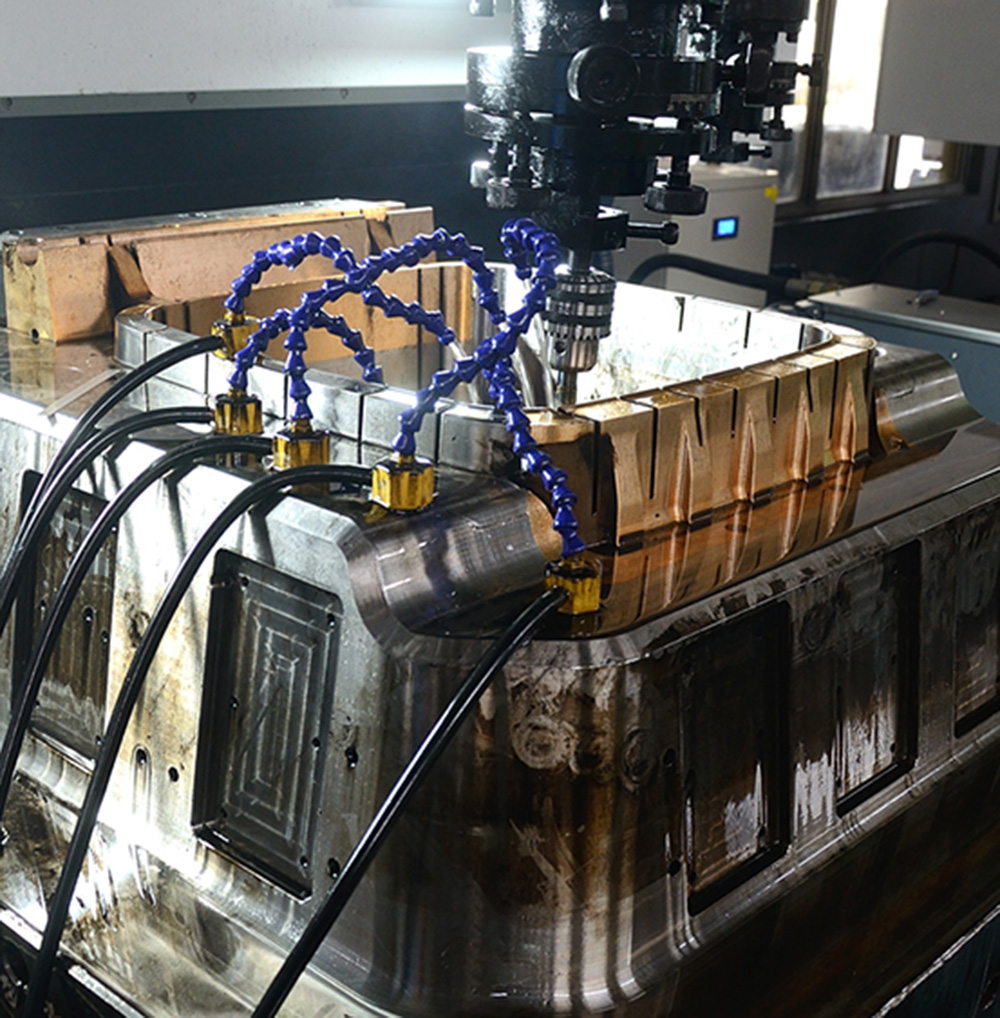

Your injection mold represents a significant investment—often costing tens of thousands of dollars. For high-production molds producing containers, pallets, or chairs, that investment must deliver millions of shots. Yet many manufacturers treat molds as "fit and forget" tools, running them until problems appear. This reactive approach leads to unplanned downtime, quality issues, and premature mold replacement.
Proper maintenance extends mold life by 2 to 3 times, reduces scrap, and prevents costly emergency repairs. At ISM, we have developed this practical maintenance guide to help you protect your investment.
1. Why Maintenance Matters
| Without Maintenance | With ISM Recommended Maintenance |
|---|---|
| Unplanned downtime | Scheduled maintenance, no surprises |
| Quality drift (flash, short shots, warp) | Consistent part quality |
| Premature wear (gate erosion, parting line damage) | Full service life (1M+ shots) |
| Expensive emergency repairs | Planned, lower-cost component replacement |
| Shortened mold life (300k-500k shots) | Extended mold life (800k-1.5M shots) |
The ROI: A mold costing $50,000 that runs 1 million additional shots due to proper maintenance saves the cost of a replacement mold—and avoids weeks of lost production.
2. Daily Maintenance: Every Shift, Every Run
These tasks should be performed at the start and end of each production shift. They prevent small issues from becoming big problems.
| Task | How to Do It | Why It Matters |
|---|---|---|
| Clean parting line | Use soft cloth or brass brush (never steel) to remove residue | Prevents flash and damage to sealing surfaces |
| Inspect ejector pins | Check for sticking or binding; confirm full return | Prevents pin breakage or marks on parts |
| Check water leaks | Visually inspect all cooling connections | Prevents water damage and corrosion |
| Visual mold inspection | Look for rust, scratches, or unusual wear marks | Early detection of developing problems |
| Record shot count | Log daily cycle count in maintenance logbook | Tracks maintenance intervals |
DO NOT: Use steel tools, wire brushes, or abrasive pads on mold surfaces. These create scratches that trap plastic and cause defects.
3. Weekly Maintenance: Deep Cleaning and Verification
| Task | How to Do It | Why It Matters |
|---|---|---|
| Flush cooling channels | Run cleaning solution or high-pressure water through circuits | Removes scale and corrosion that reduce cooling efficiency |
| Lubricate moving components | Apply food-grade or mold-specific lubricant to slides, lifters, and guide pins | Prevents galling and wear on friction surfaces |
| Check heater bands (hot runner) | Verify temperatures and wiring integrity | Prevents hot runner failure |
| Inspect gate area | Check for erosion, wear, or debris buildup | Maintains fill consistency and part quality |
| Verify ejector plate return | Confirm complete retraction of ejector plate | Prevents crashes on mold close |
4. Monthly Maintenance: Detailed Inspection
| Task | How to Do It | Why It Matters |
|---|---|---|
| Measure gate diameter | Use pin gauge or optical comparator | Detects erosion; plan insert replacement before defects appear |
| Check core/cavity condition | Inspect under magnification for scratches, pitting, or wear | Identifies surface degradation that affects part finish |
| Verify water flow rate | Flow meter check per circuit | Confirms cooling circuits are not restricted |
| Inspect parting line seal | Blue check or contact pattern check | Ensures flash prevention |
| Clean mold thoroughly | Remove all plastic residue, rust inhibitor, and debris | Prepares mold for continued production or storage |
Gate erosion reference:
| Gate Diameter Change | Action |
|---|---|
| 0.00-0.05mm increase | Normal wear - monitor |
| 0.05-0.10mm increase | Plan insert replacement |
| Over 0.10mm increase | Replace immediately |
5. Quarterly Maintenance: Comprehensive Service
| Task | How to Do It | Why It Matters |
|---|---|---|
| Hot runner manifold inspection | Check for leaks, heater resistance, thermocouple accuracy | Prevents hot runner failure and scrap |
| Hydraulic cylinder check | Inspect seals, piston, and cylinder bore for wear | Prevents demolding failures |
| Calibrate sensors | Verify pressure and temperature sensors against standards | Maintains accurate process control |
| Inspect slides and lifters | Disassemble, clean, measure wear, replace wear plates if needed | Prevents binding and damage |
| Full dimensional check | CMM inspection of critical surfaces | Confirms mold remains within tolerance |
| Re-coating (if applicable) | Reapply hard coating to worn surfaces | Extends wear protection |
6. Annual Maintenance: Overhaul and Refurbishment
| Task | How to Do It | Why It Matters |
|---|---|---|
| Complete disassembly | Tear down mold to individual components | Allows thorough inspection of all parts |
| Replacement of wear parts | Replace worn ejector pins, bushings, springs, and inserts | Restores mold to "like new" condition |
| Re-polishing | Repolish cavity and core surfaces to original spec | Restores part finish quality |
| Cooling channel descaling | Chemical cleaning of all channels | Restores full cooling efficiency |
| Certification | Full CMM inspection and compliance report | Documents condition for warranty and quality records |
7. Maintenance for Specific Mold Types
| Mold Type | Special Maintenance Focus | ISM Recommendation |
|---|---|---|
| Container mold | Stacking posts and nesting surfaces | Inspect wear on stacking posts every 100k shots; nesting surfaces affect stability |
| Pallet mold | Leg cores and fork entry tunnels | Check leg core erosion; fork entry tunnels wear from handling |
| Chair mold | Aesthetic surface finish, rib cavities | Protect polished surfaces; inspect rib cavities for residue buildup |
| Hot runner mold | Valve pins, heaters, thermocouples | Test electrical resistance and thermocouple accuracy quarterly |
8. Storage Best Practices
When a mold is not in production, proper storage is critical to prevent corrosion and damage.
| Storage Step | How to Do It |
|---|---|
| Clean thoroughly | Remove all residue and moisture from surfaces |
| Apply rust inhibitor | Use vapor-phase corrosion inhibitor (VCI) or oil-based rust preventive on all steel surfaces |
| Seal cooling channels | Cap all ports to prevent moisture entry |
| Protect polished surfaces | Cover with plastic film or VCI paper |
| Store upright | Place mold on wooden blocks, not directly on steel surfaces |
| Climate control | Store in low-humidity environment (below 50% RH) |
9. Common Maintenance Mistakes
| Mistake | Consequence | Correct Approach |
|---|---|---|
| Using steel tools to clean | Scratches cause plastic adhesion and quality defects | Use brass, bronze, or plastic tools only |
| Over-greasing | Contaminates parts; attracts dust | Use minimal, specified lubricant |
| Insufficient frequency | Wear goes undetected, causing damage | Follow the schedule above |
| No maintenance log | No history of problems or wear patterns | Record all maintenance, inspection results, and shot counts |
| Reusing damaged components | Leads to mold failure | Replace worn components early |
10. The ISM Maintenance Advantage
ISM supports your maintenance program with:
Detailed maintenance manual included with every mold
Spare parts kit (gate inserts, ejector pins, O-rings, springs) provided
Refurbishment service for returning molds to "like new" condition
Remote diagnostic support for smart molds with integrated sensors
Training for your maintenance team on specific mold care procedures
11. Maintenance Log Template
We recommend maintaining a log for every mold:
| Date | Shot Count | Maintenance Performed | Issues Found | Corrective Action |
|---|---|---|---|---|
| 2025-01-01 | 50,000 | Parting line cleaning, lubricated slides | Gate erosion 0.02mm | Monitor |
| 2025-02-01 | 100,000 | Flushed cooling, inspected gate | Gate erosion 0.05mm | Plan insert replacement |
Conclusion
Proper maintenance is not a cost—it is an investment in mold life, production uptime, and part quality. A mold that receives regular care can produce 2 to 3 times more parts before requiring major refurbishment or replacement.
At ISM, we design molds for longevity and provide the maintenance guidance you need to achieve full service life. Follow this guide, and your container, pallet, and chair molds will deliver millions of quality parts for years to come.
Contact ISM today for a maintenance plan tailored to your molds. We are here to help protect your investment.