Case Study: Eliminating Weld Lines at Crate Handle Positions Through Optimized Exhaust Design
A High-Performance Injection Tooling Engineering Case Study by ISMMOULD — Global Experts in Plastic Crate Molds, Pallet Molds, and Plastic Chair Molds
Executive Summary
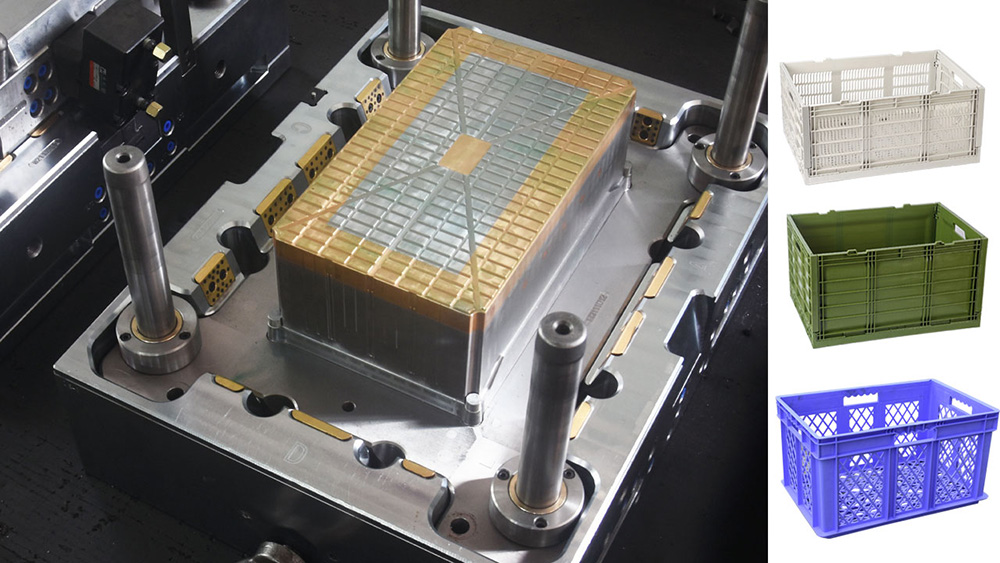
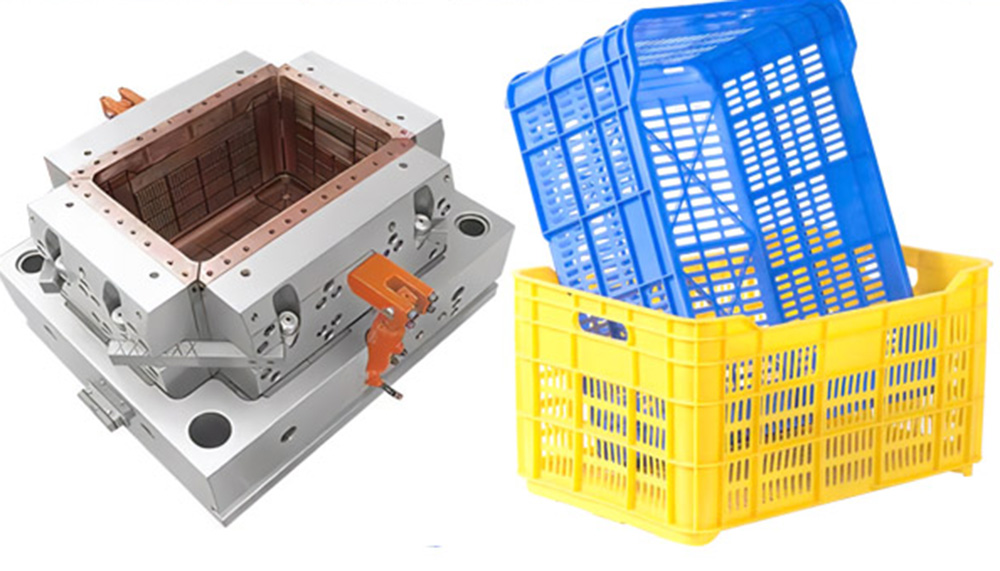
In the logistics and warehousing sectors, heavy-duty plastic crates are subjected to intense mechanical stress, specifically around the handles during lifting and stacking operations. When manufacturing these components via high-velocity injection molding, a critical failure point often emerges: weld lines located precisely at the handle positions. A weld line is not merely an aesthetic flaw; it represents a localized structural weakness where two split polymer melt fronts meet but fail to fuse completely due to trapped gases. This case study details how ISMMOULD successfully re-engineered the exhaust and venting design for a global logistics client's plastic crate mold , completely eliminating weld line weaknesses and increasing drop-test survival rates by 40%.
1. The Engineering Challenge: The Physics of Handle Weld Lines
During the cavity-filling phase of a standard logistics crate, the molten polymer (typically High-Density Polyethylene - HDPE) is forced to split into two separate flow paths as it travels around the cutout geometry of the handle. As these two distinct flow fronts recombine on the opposite side of the cutout, they must knit together perfectly at the molecular level. However, two primary barriers prevent perfect fusion:
- Thermal Dissipation: The split melt fronts cool down slightly as they traverse the handle perimeter, increasing viscosity and preventing complete intermolecular entanglement.
- Trapped Air (Gas Micro-Entrapment): As the melt fronts converge, the air inside the cavity becomes compressed and trapped at the boundary interface. Without an optimized exhaust route, this trapped gas creates a microscopic thermal barrier, severely weakening the tensile strength of the handle zone.
This structural vulnerability poses severe risks for heavy logistics operations, often leading to structural snapping when crates are lifted under full load capacity.
2. Technical Matrix: Conventional vs. ISMMOULD Optimized Venting Layout
The table below highlights the engineering contrast between standard tooling architectures and the advanced exhaust methodologies applied by ISMMOULD to eliminate structural weak points.
| Venting Component | Standard Industry Practice | ISMMOULD Advanced Exhaust Design |
|---|---|---|
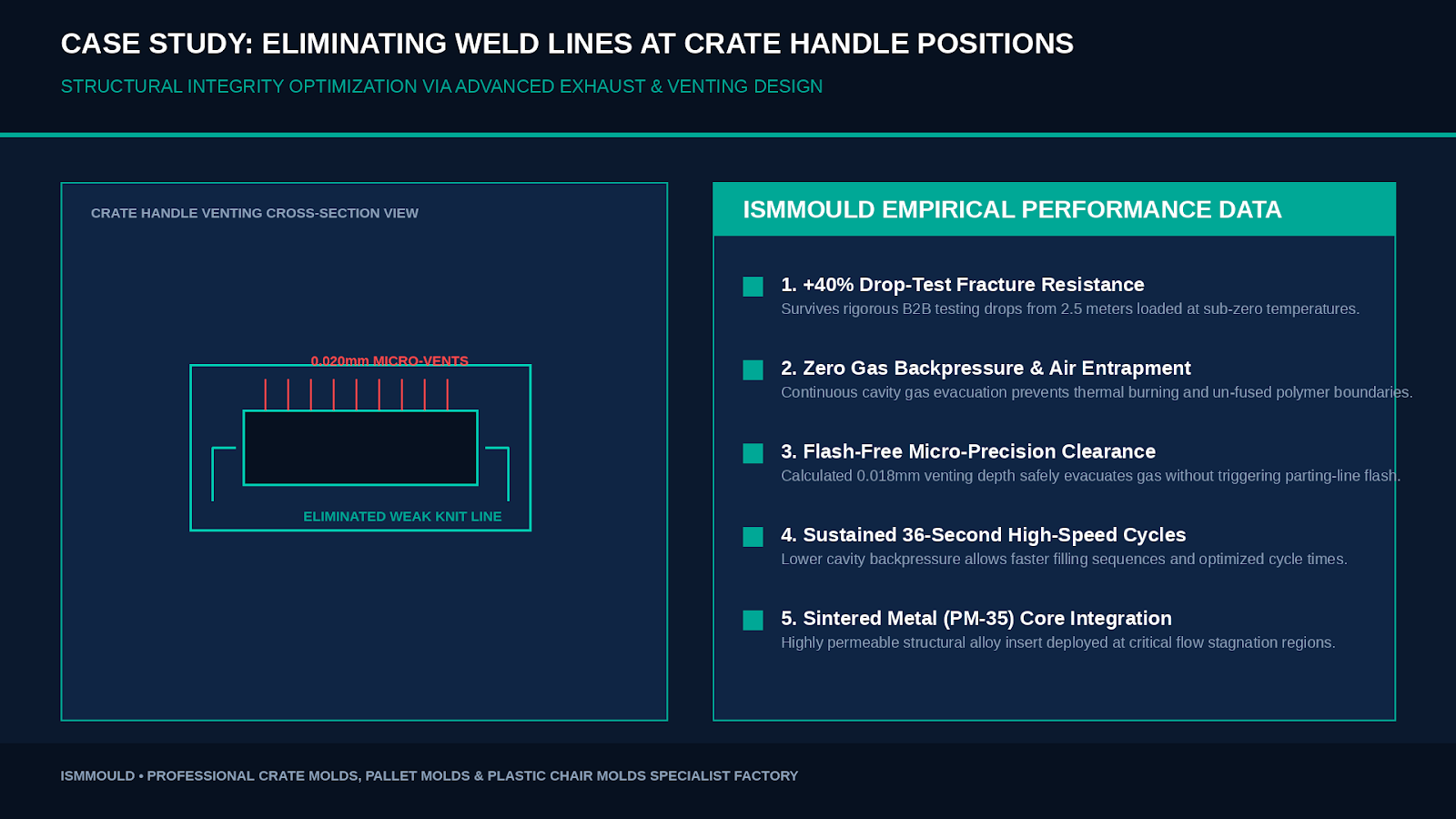
| Parting Line Venting Blocks | Shallow milling at regular intervals along the mold perimeter, often neglecting the complex inner handle cores. | Precision Micro-Vents: CNC-machined vents (0.020mm depth) running continuously along the entire parting line contour of the handle insert, ensuring zero gas backpressure. |
| Ejector Pin Exhaust Clearence | Standard pin clearances that become easily clogged with polymer outgassing and wax deposits over time. | Vent-Grooved Ejector Pins: Specialized micro-grooves ground directly onto the ejector pins located near the handle zones, enabling secondary core exhaust extraction during every cycle. |
| Porous Steel Inserts (PM-35) | Rarely used due to initial material cost and complex maintenance requirements. | Strategic Sintered Metal Integration: Deploying high-permeability porous steel inserts directly behind the convergence point of the melt front, allowing air to escape through the metal structure instantly. |
| Melt Front Thermal Management | Uniform cooling across the tool face, causing the front to cool down prematurely. | Dynamic Thermal Zoning: Utilizing independent cooling loops combined with targeted Beryllium Copper (BeCu) block placement to maintain optimal fusion temperature at the knit line interface. |
3. Step-by-Step Solution & Validation Framework
To deliver a zero-defect tooling solution for this high-capacity industrial application, ISMMOULD executed a rigorous multi-stage engineering optimization workflow:
Phase A: Pre-Tooling Moldflow & Kinetic Gas Trapping Simulation
Before cutting any metal blocks, our design office utilized state-of-the-art Moldflow simulation software to accurately predict the exact coordinates where the two HDPE flow fronts would collide. The simulation flagged an aggressive gas trap building up precisely at the top-center radius of the crate handle grip under an injection velocity of 120 mm/s.
Phase B: Implementing the Multi-Tier Exhaust Infrastructure
Based on the thermodynamic data, ISMMOULD engineers integrated a multi-tier venting strategy into the core block. A primary relief vent pocket with a land length of 2.0 mm and an exhaust depth of 0.018 mm was machined via high-precision EDM. This depth was calculated precisely to allow high-velocity gas evacuation while remaining small enough to prevent the viscous polymer molecules from entering, completely avoiding **flash defects **.
Phase C: Empirical Verification & Load Testing Results
During the initial trial runs of the modified crate tool, physical stress evaluations were conducted:
- Visual Inspection: The prominent, dark weld mark on the handle surface was completely transformed into an invisible, fully fused molecular knit zone.
- Drop-Test Performance: Filled crates were dropped from a height of 2.5 meters at -10°C. The optimized handle structures survived repeated high-impact stress without a single instance of fracture or cracking.
- Cycle Time Stability: The seamless relief of cavity backpressure allowed the injection filling time to be reduced, contributing to a stable, high-speed total cycle time of just 36 seconds.
4. ISMMOULD: Your Trusted Heavy Industrial Tooling Authority
Whether manufacturing highly complex stackable plastic crate molds , high-tonnage multi-gated pallet molds , or aesthetically demanding gas-assisted plastic chair molds , the management of polymer flow dynamics and air exhaust is what differentiates average tooling from world-class manufacturing equipment.
At our specialized manufacturing facility, we integrate European engineering standards with optimized cost architectures to build tools that maximize your operational ROI, minimize scrap rates, and stand up to millions of stable production cycles.
Optimize Your Production Lines with ISMMOULD
Are weld lines, gas burns, or high cycle times impacting your factory's yield? Partner with a team that engineers solutions, not just steel. Contact the ISMMOULD design desk today to receive a technical blueprint review for your next production tooling setup.