How Fast Mold Change Systems Improve OEE in Large-Part Injection Molding
Technical Whitepaper Published by ISMMOULD — Global Turnkey Solutions Authority for High-Yield Pallet Molds, Plastic Crate Molds, and Plastic Chair Molds
Executive Summary
In high-volume, large-format plastic injection molding, maximizing Overall Equipment Effectiveness (OEE) is the ultimate metric for manufacturing profitability. Large parts—such as heavy-duty logistics pallets, multi-use industrial crates, and commercial plastic chairs—require massive injection molding machines ranging from 1,000 to over 4,000 tons. On these scales, traditional mechanical mold clamp swaps represent a severe operational bottleneck, incurring hours of planned downtime, safety risks, and thermal optimization delays. Implementing a Fast Mold Change System (FMCS), including magnetic clamping and automated multi-couplers, dramatically shifts SMED (Single-Minute Exchange of Die) metrics from hours to minutes. This whitepaper analyzes the engineering and financial impacts of FMCS integrations on OEE within modern automated molding plants.
As a leading engineering matrix factory specializing in high-performance pallet molds, plastic crate molds, and plastic chair molds, the technical division of ISMMOULD details the critical parameters that connect fast tooling changeovers to elevated machine availability, performance, and structural part yield.
1. Deconstructing OEE in Heavy-Duty Tooling Operations
Overall Equipment Effectiveness is calculated using three distinct metrics: **Availability, Performance, and Quality**. For large structural molds, each pillar faces unique physical challenges that Fast Mold Change Systems directly resolve:
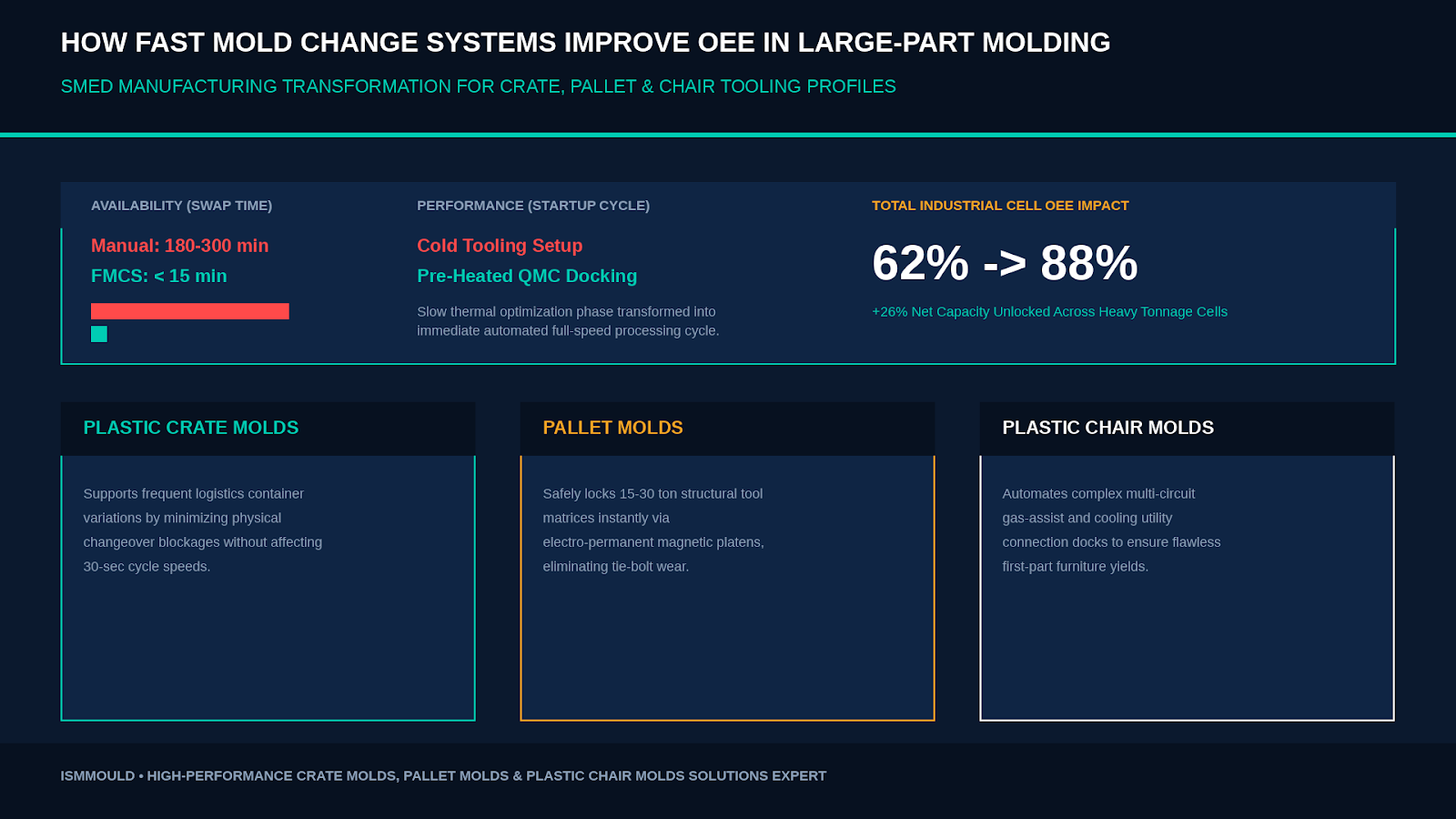
- Availability (Downtime Elimination): Standard mechanical clamping for a 20-ton pallet mold or a complex multi-slider plastic crate mold typically takes 3 to 5 hours. An FMCS reduces this to under 15 minutes, instantly clawing back lost production time and transforming unallocated machine availability into profitable processing cycles.
- Performance (Cycle Optimization): Fast changeover protocols go beyond mechanical clamping; they integrate automated magnetic plate alignment, rapid multi-circuit hydraulic utility couplers, and pre-heating stations. This ensures the machine reaches optimal target speeds immediately upon tool locking.
- Quality (First-Part Yield Accuracy): Magnetic clamping systems provide uniform clamping force across the entire platen surface. Unlike uneven manual tie-bolt tightening, uniform clamping eliminates micro-deflections in massive tooling blocks, drastically reducing initial scrap rates during start-up.
2. Engineering Blueprint: Manual vs. Fast Mold Change Systems
Optimizing heavy-duty machinery requires evaluating how utility integration and mechanical locks interact on the shop floor. The matrix below highlights the specific technical improvements achieved through automated FMCS deployments:
| Operational Vector | Traditional Mechanical Clamping Setup | Automated Fast Mold Change System (FMCS) |
|---|---|---|
| Clamping Mechanism | Manual tie-bolts and heavy toe-clamps. Creates localized stress concentration points on machine platens. | Electro-permanent magnetic platens or hydraulic QMC levers. Provides uniform, distributed holding forces. |
| Utility Connections (Water/Oil/Gas) | Manual threading of independent hoses for cooling channels, hydraulic core pulls, and gas-assist lines. High leak risk. | Integrated multi-coupling blocks. Snaps all circuits into place simultaneously with zero drip or pressure drop. |
| Tool Alignment Precision | Relies on overhead crane positioning and manual locating ring adjustments. Prone to micro-misalignments. | Proximity sensors and automated centering pins ensure centering tolerances within <±0.02mm before locking. |
| Pre-Heating Protocol | Molds are heated cold inside the machine, wasting valuable platen operational hours on thermal stabilization. | External pre-heating stations warm the tool steel to operational temperature before it enters the platen zone. |
3. Structural Applications: Crate, Pallet, and Chair Mold Considerations
Large-scale injection molding presents unique material dynamics depending on the target product geometry. Implementing FMCS protocols yields specific advantages across our core focus areas:
A. Plastic Crate Molds: Managing High-Speed Changeovers
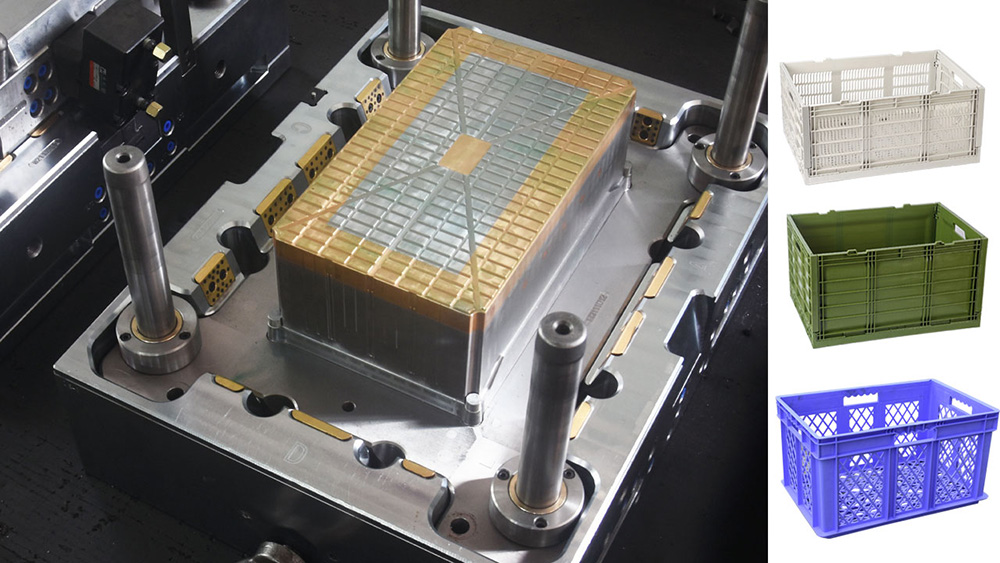
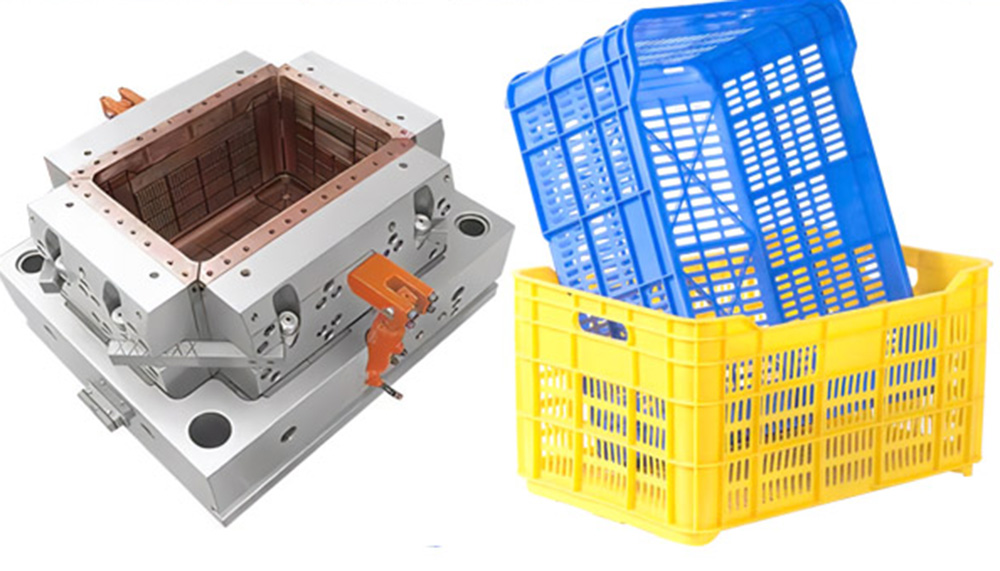
Logistics and food-grade crates require high production speeds. Because crate styles shift frequently (e.g., nesting crates, collapsible crates, vegetable baskets), manufacturers face frequent tool swaps. ISMMOULD designs plastic crate molds with standardized backplates and optimized multi-stage exhaust venting. When combined with an FMCS, changeover bottlenecks are eliminated, allowing flexible, just-in-time production without sacrificing the fast 30-second cycles needed for crate production.
B. Pallet Molds: Controlling Massive Structural Weights safely
Industrial pallets represent the heaviest end of the injection spectrum. A complete pallet mold often weighs between 15 and 30 tons and contains extensive hot runner drops and complex hydraulic slider systems to form reinforcement ribs. Moving these tools manually poses severe safety hazards and long alignment delays. Implementing electro-permanent magnetic clamping systems allows operators to secure these massive steel blocks instantly with the push of a button. Uniform magnetic holding power counteracts the high injection backpressures of HDPE, eliminating core deflections, flash generation, and parting-line wear.
C. Plastic Chair Molds: Protecting Aesthetic and Gas-Assist Integrity
Monoblock furniture and commercial seating demand pristine surface finishes free of weld marks or flash. Furthermore, advanced plastic chair molds frequently incorporate complex internal gas-assisted injection channels to create lightweight, hollow legs with high structural strength. An FMCS utilizes dedicated multi-coupling blocks that connect water lines and high-pressure nitrogen gas lines simultaneously. This eliminates connection errors, ensuring that gas-assist pressure curves remain perfectly calibrated from the very first shot and preventing surface blistering or structural collapse.
4. ISMMOULD: Your Turnkey High-Capacity Tooling Authority
At ISMMOULD, we engineer solutions that optimize your entire production lifecycle, not just the raw steel blocks. We build large-scale tools engineered for modern, automated smart factories:
- Pallet Molds: Designed with standardized QMC interface plates, compatible with magnetic or hydraulic fast-change systems, using premium pre-hardened steels (718H, H13) for long production runs.
- Plastic Crate Molds: Engineered with optimized rapid-cooling circuits and integrated multi-coupler layouts to support high-speed cycling and rapid mechanical swaps.
- Plastic Chair Molds: Built with flawless mirror-polished cavities, integrated gas-assist valves, and uniform ejection platforms designed to minimize cycle start-up waste.
Optimize Your Factory OEE Metrics Today
Are you looking to reduce downtime, enhance workplace safety, and maximize the throughput of your heavy-tonnage injection molding machinery? Let our engineering team collaborate on your next project. We provide comprehensive moldflow simulations, custom fast-change plate adaptations, and complete cell integration diagnostics. Contact the ISMMOULD engineering desk today to secure high-performance industrial tooling designed for maximum efficiency.