How to Handle Recycled Materials in Crate and Pallet Molds Without Compromising Quality
Technical Whitepaper Published by ISMMOULD — Global Turnkey Solutions Authority for High-Performance Plastic Crate Molds, Pallet Molds, and Plastic Chair Molds
Executive Summary
Driven by global sustainability mandates and cost-reduction pressures, industrial container and logistics manufacturers are rapidly increasing the proportion of Post-Consumer Recycled (PCR) and Post-Industrial Recycled (PIR) resins in their production lines. However, substituting virgin Polypropylene (PP) or High-Density Polyethylene (HDPE) with recycled feedstock introduces severe molding challenges—specifically Melt Flow Index (MFI) instability, foreign particle contamination, structural outgassing, and inconsistent volumetric shrinkage.
Processing recycled materials without compromising structural load-bearing capacity or surface finish requires deliberate tooling adaptations. As a leading global tooling specialist for plastic crate molds, pallet molds, and plastic chair molds, ISMMOULD presents this deep-dive engineering analysis on optimizing hot runner manifolds, cavity steel metallurgy, filtration venting, and core cooling for sustainable resin processing.
1. Physical & Rheological Challenges of PCR/PIR Feedstocks
Unlike prime virgin resins with tight molecular weight distributions, recycled regrinds present physical properties that directly impact mold performance:
- MFI Instability & Viscosity Fluctuations: Recycled PP and HDPE batches frequently exhibit broad MFI variances (e.g., fluctuating between 4 to 12 g/10min), causing sudden shifts in injection pressure, short shots, or flashing along parting lines.
- Abrasive Metal & Mineral Contaminants: Microscopic metallic debris, residual glass, or filler impurities in PCR materials accelerate abrasive wear on core blocks, hot runner nozzles, and gate land areas.
- Entrapped Gas & Moisture Volatiles: Cross-contaminated polymers and incomplete resin drying generate high outgassing during high-shear injection, leading to diesel effect burning, surface splay, and internal void formation in heavy structural ribs.
- Differential Anisotropic Shrinkage: Mixed-grade recycled polymers yield unpredictable shrinkage rates, causing post-molding bow in heavy-duty pallets and dimensional distortion in stackable crates.
2. Technical Matrix: Tooling Engineering Adjustments for Recycled Resins
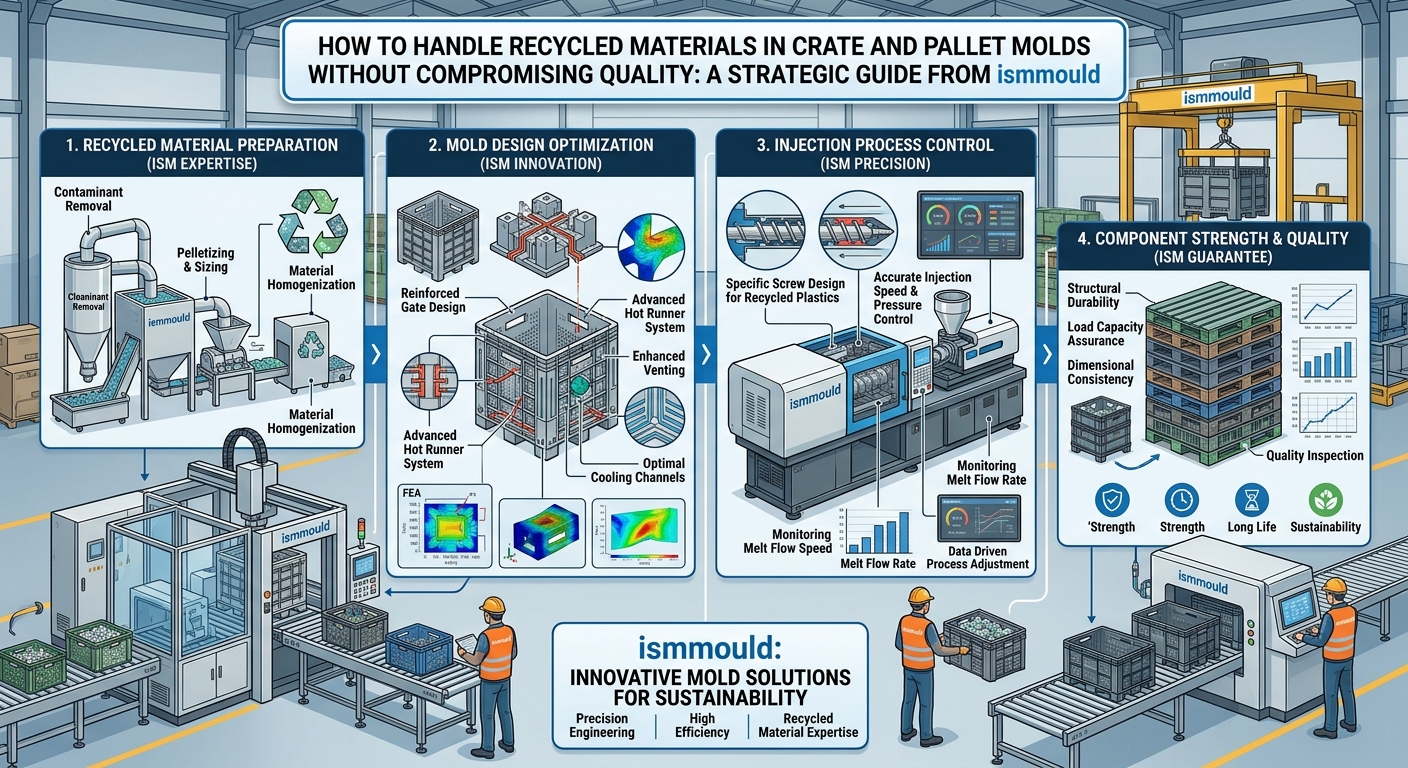
To maintain zero-defect production with PCR/PIR materials, ISMMOULD integrates specialized structural adaptations across four primary tooling vectors:
| Tooling System | Standard Virgin Resin Design | Recycled Resin (PCR/PIR) Optimized Design |
|---|---|---|
| Mold Steel & Surface Hardening | Standard DIN 1.2738 / 718H pre-hardened steel (30–34 HRC). | High-grade DIN 1.2311/1.2738 with Nitriding (52–55 HRC) or Physical Vapor Deposition (PVD) coating on gate inserts to resist wear. |
| Hot Runner Nozzle & Filter Protection | Open-drop or standard needle valve gates without filtration. | Sequential Valve Gates (SVG) fitted with internal melt-filter nozzles to capture particles down to 0.5mm before cavity entry. |
| Cavity Venting & Vacuum Assistance | Standard perimeter venting channels (0.02mm – 0.03mm depth). | Expanded perimeter micro-venting with self-cleaning vacuum relief channels to evacuate volatile gases without flashing. |
| Cooling & Thermal Balance | Standard drilled cooling channels in core blocks. | Conformal cooling circuits combined with Beryllium Copper (BeCu) core inserts to dissipate heat rapidly and counter warpage. |
3. Deep-Dive: Core Engineering Innovations by ISMMOULD
A. Wear-Resistant Metallurgy and Hardened Gate Seats
Abrasive particles in PCR regrind can erode standard mold gates within a few hundred thousand cycles, enlarging gate orifices and ruining cosmetic surfaces. ISMMOULD utilizes hardened tool steel inserts (such as H13 or S7 hardened to 52–56 HRC) or specialized tungsten carbide gate bushings around valve gate seats. This ensures long-term dimensional stability and clean gate shut-off even when processing highly abrasive recycled feedstocks.
B. Sequential Valve Gate (SVG) Pressure Balancing
Because recycled resin viscosity varies unpredictably, single-point gating often leads to localized over-packing. ISMMOULD incorporates multi-zone Sequential Valve Gate systems controlled by pressure transducers. By dynamically timing the opening of individual valve pins as the melt front advances, the system maintains balanced filling pressures across large pallet decks and crate side walls, preventing structural warpage.
C. Advanced Multi-Stage Outgassing Vents
Volatiles generated by recycled polymers must escape the cavity rapidly during high-speed filling. ISMMOULD designs self-cleaning, multi-stage perimeter gas vents along parting lines, ejector pins, and rib intersections. This prevents diesel burning at deep rib corners in logistics crates and stackable chairs, maintaining mechanical strength without requiring secondary operations.
4. Recycled Resin Optimization Across ISMMOULD Product Lines
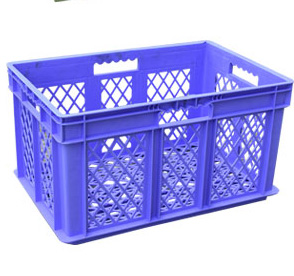
- Plastic Crate Molds: Designed with optimized wall-thickness ratios and reinforced rib intersections, allowing agricultural, bottle, and folding crates to achieve maximum top-load stacking strength even when using 100% recycled HDPE.
- Heavy-Duty Pallet Molds: Equipped with multi-drop SVG hot runners, BeCu thermal core inserts, and high-wear slider locks to process heavy PCR loads while maintaining tight dimensional tolerances for automated warehouse systems.
- Plastic Chair Molds: Engineered with optimized flow length-to-thickness ratios and subsurface gating to deliver flawless surface finishes, zero warp deflection, and high flexural fatigue resistance in recycled PP monoblock chairs.
5. Partner with ISMMOULD: Solutions Authority for Industrial Tooling
Transitioning to recycled plastics does not mean sacrificing part quality or tool life. ISMMOULD combines advanced Rheological Moldflow simulation, precision CNC machining, and decades of hands-on tooling experience to deliver custom molds built for sustainable manufacturing. Contact our technical engineering team today to optimize your next crate, pallet, or chair molding project for recycled materials.