Plastic Chair Mold Design Guide: From Stackable Chairs to Heavy-Duty Seating Solutions
Technical Whitepaper Published by ISMMOULD — Global Turnkey Solutions Authority for High-Performance Plastic Chair Molds, Pallet Molds, and Plastic Crate Molds
Executive Summary
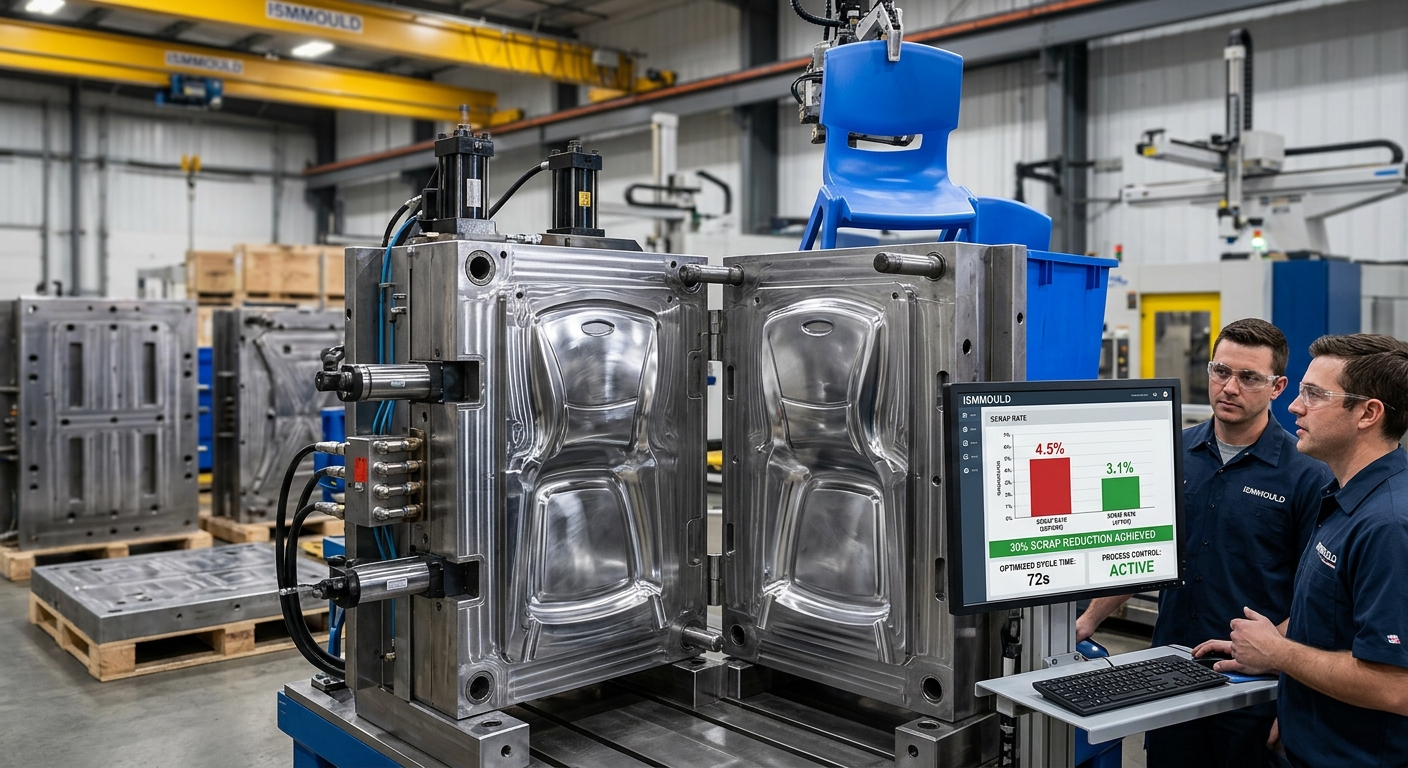
In commercial furniture manufacturing, plastic monoblock chairs, stackable event seating, and heavy-duty armchairs represent high-volume, high-value product lines. Unlike industrial containers, plastic chair design demands a balance of structural strength, aesthetic perfection, and ergonomic comfort. A well-engineered plastic chair mold must withstand extreme static and dynamic loads (up to 200–300 kg) while delivering a mirror-polished surface free of sink marks, weld lines, or warpage.
As an industry-leading manufacturing specialist in plastic chair molds, pallet molds, and plastic crate molds, the engineering division at ISMMOULD has compiled this technical design guide. It outlines the core principles of wall thickness transition, gas-assisted channels, mold steel selection, and stackability kinematics required for zero-defect seating production.
1. Structural Mechanics and Load-Bearing Chair Architecture
A heavy-duty plastic chair must endure rigorous drop tests, leg impact tests, and backrest flex tests. Achieving structural integrity without adding excessive plastic weight relies heavily on advanced mold engineering:
- Optimized Wall Thickness Transitions: Uniform wall thickness (typically 3.0 mm to 4.5 mm) prevents differential cooling warpage. Strategic transitions at load-bearing junctions—such as where the chair legs meet the seat pan—are engineered using generous fillet radii to eliminate stress concentration points.
- Reinforcement Rib Layout: Under-seat support grids feature tapered rib profiles (rib thickness kept at 50%–60% of base wall) to prevent visible sink marks on the aesthetic seating surface while maximizing flexural modulus.
- Gas-Assisted Injection Channels: For hollow chair legs and thick armrests, gas-assist technology injects high-pressure nitrogen to displace the molten polymer core. This creates lightweight, hollow structural beams that eliminate sink marks and reduce part weight by 15%–25%.
2. Engineering Matrix: Stackable Seating vs. Heavy-Duty Seating Tooling
Designing molds for high-density stackable chairs requires a different engineering approach than for heavy-duty commercial armchairs. The matrix below contrasts key tooling parameters managed by ISMMOULD:
| Design Parameters | Stackable Monoblock Chair Molds | Heavy-Duty Commercial Seating Molds |
|---|---|---|
| Draft Angle Precision | Requires ultra-strict, uniform draft angles (minimum 2° to 4°) on backrests and leg interiors to allow tight nesting without sticking. | Draft angles focus on smooth core extraction, balancing aesthetic texture draw angles (1° per 0.025 mm texture depth). |
| Core Slider & Side Actions | Mainly single or dual-action sliders for backrest cutouts, keeping mechanical mold complexity lower for high-speed runs. | Features multiple hydraulic sliders, angled lifters, and interchangeable insert plates to form armrests and decorative back patterns. |
| Hot Runner System | Utilizes 1-point to 2-point direct valve gate systems centered on the seat bottom to ensure rapid, balanced filling. | Deploy multi-drop Sequential Valve Gate (SVG) manifolds paired with gas-assist pin controls for multi-path flow fronts. |
| Target Cycle Time | Fast-cycling design aiming for 35 to 45 seconds per shot for high-volume commercial supply chains. | Focuses on structural density and thermal hold time, typically running 50 to 70 seconds depending on wall thickness. |
3. Thermal Management and Surface Aesthetics Controls
Aesthetic appeal directly influences furniture purchasing decisions. Preventing surface blemishes while maintaining fast cycle times requires specialized mold thermal architecture:
A. Beryllium Copper (BeCu) Cooling Inserts
Deep core pockets—particularly inside deep chair legs and high backrests—are notoriously difficult to cool with standard drilled water lines. ISMMOULD integrates high-conductivity Beryllium Copper inserts at the tips of core pillars to rapidly draw heat away from thick zones, preventing post-ejection warpage and sink marks.
B. Mirror Polishing and Photo-Etched Texturing
Chair cavities are machined using high-speed 5-axis CNC centers and finished with high-polish (A2/A3 grade) surfaces or photo-etched woodgrain/matte textures. Precise venting along parting lines and around core pins prevents gas traps, micro-burns, and tiger-striping gloss variations.
C. Ejection System Alignment
Large surface area contact requires a balanced ejection force. Synchronized hydraulic ejector plates combined with pneumatic air poppet valves break vacuum seals smoothly, preventing stress whitening, pin marks, or surface distortion upon part release.
4. ISMMOULD: Your Strategic Partner for Industrial Tooling Solutions
With decades of specialized manufacturing experience, ISMMOULD delivers turnkey, high-yield molds built for long-term production profitability. Our core product domains include:
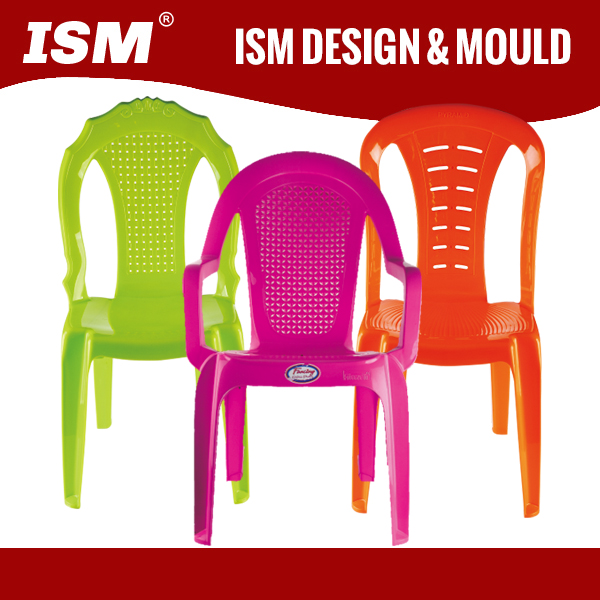
- Plastic Chair Molds: Master engineering of monoblock, gas-assisted, rattan-patterned, and heavy-duty armchair molds built with 718H or P20 steel for long, reliable lifecycles.
- Pallet Molds: High-precision single and multi-cavity tooling for rackable and stackable logistics pallets, engineered for extreme dynamic load resistance.
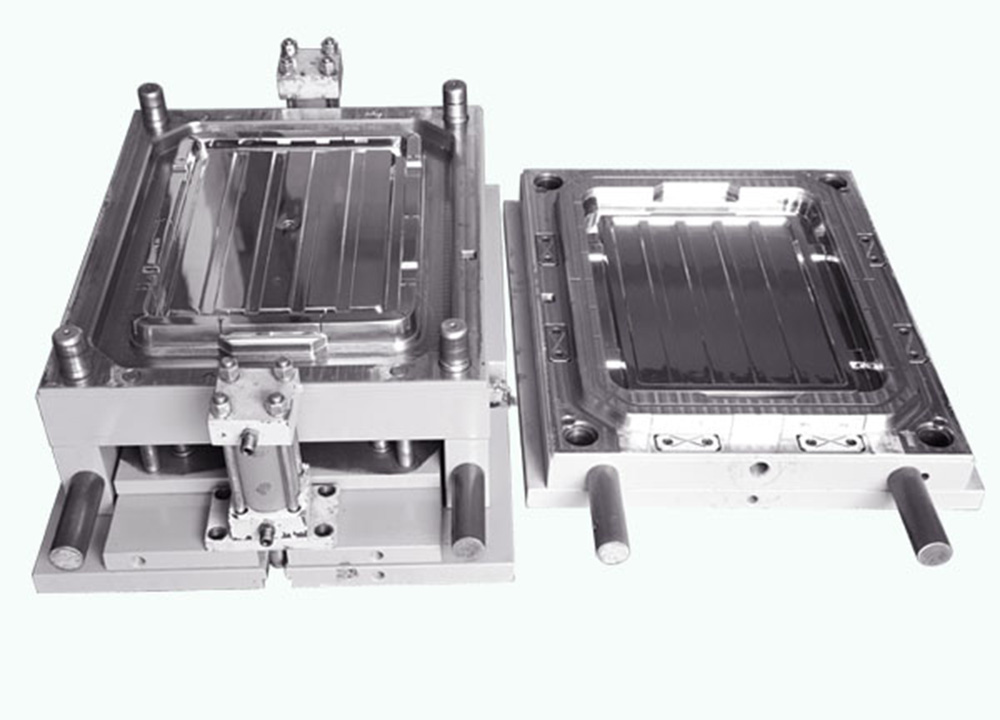
- Plastic Crate Molds: Rapid-cycling, multi-stage vented molds for agricultural, beverage, and industrial returnable container systems.
Consult Our Tooling Design Desk
Are you launching a new furniture product line or upgrading your existing seating mold inventory? Let ISMMOULD provide comprehensive Moldflow FEA simulation reports, ergonomic nesting assessments, and competitive tooling quotes. Contact our engineering team today to build high-performance molds optimized for quality, strength, and speed.