
In modern injection molding, automation is not optional—it's essential for staying competitive. Robotic part removal reduces labor costs, improves cycle consistency, and increases uptime. But a mold that isn't designed for automation becomes a bottleneck, causing part sticking, gripper interference, and frequent stoppages.
At ISM, we engineer automation-ready container molds specifically for seamless integration with pick-and-place robots, sprue pickers, and conveyor systems. Here's how we ensure your mold works efficiently with robotic part removal.
1. Why Automation-Ready Molds Matter
| Without Automation Design | With ISM Automation-Ready Design |
|---|---|
| Parts stick in cavity | Reliable, repeatable ejection |
| Robot gripper interference | Clear access paths |
| Inconsistent part position | Precision part positioning |
| Frequent manual intervention | Unattended operation |
| Slower cycles | Optimized for robotic speed |
ISM goal: A mold that runs reliably on automated cells with minimal human attention.
2. Key Design Features for Robotic Part Removal
Feature 1: Reliable & Consistent Ejection
Robots need parts in a predictable position every cycle.
| Ejection Feature | ISM Standard |
|---|---|
| Ejector pin layout | Symmetrical, balanced force distribution |
| Ejector pin size | 8–12mm diameter (larger than manual molds) |
| Air-assist ejection | Breaks vacuum on deep containers |
| Stripper plate | For thin-wall or deep-draw containers |
| Ejector plate return | Positive return (springs or hydraulic) |
Result: Part ejects to same height and orientation every time.
Feature 2: Clear Robot Access
| Access Consideration | ISM Solution |
|---|---|
| No obstructions above mold | Low-profile ejector box, rear-mounted lines |
| Robot pick path | No core pulls or slides in the way |
| Gate location | Positioned away from robot pick area |
| Sprue orientation | Directed away from robot or into chute |
Feature 3: Part Positioning Features
| Feature | Purpose |
|---|---|
| Ejector pin witness marks | Consistent reference for vision systems |
| Part symmetry (where possible) | Robot doesn't need to rotate |
| Nesting features on part | Allows secondary fixturing |
Feature 4: Sensor Integration
| Sensor Type | ISM Provision |
|---|---|
| Part presence sensor | Confirms part ejected before mold closes |
| Ejector plate position | Verifies full return |
| Mold open/closed | Interface to robot controller |
| Cavity pressure | Quality feedback for automated rejection |
ISM standard: Pre-wired sensor ports with standard connectors (M12, etc.).
3. Mold Design for Specific Robot Types
A. Sprue Pickers (Top-Entry)
| Requirement | ISM Design |
|---|---|
| Sprue location | Centered or edge, but accessible from top |
| Sprue hold | Undercut or reverse taper for positive grip |
| Clearance above mold | 300–500mm for picker movement |
B. Side-Entry Robots
| Requirement | ISM Design |
|---|---|
| Parting line access | No obstructions on operator or non-operator side |
| Core pulls | Located on non-robot side |
| Gate location | Opposite robot entry side |
C. 6-Axis Robots (Articulated)
| Requirement | ISM Design |
|---|---|
| Clearance envelope | 3D CAD model of robot work envelope provided |
| Interference check | Simulation of robot path vs. mold components |
| Part orientation | Consistent to ±1° for gripper alignment |
4. Ejection System Optimization for Robotics
Manual molds often use minimal ejection force. Automation molds need robust, consistent ejection.
| Parameter | Manual Mold | ISM Automation-Ready Mold |
|---|---|---|
| Ejector pin count | 4–6 pins | 8–12 pins |
| Ejector pin diameter | 4–6 mm | 8–12 mm |
| Ejection stroke | Minimal (part just clears) | Generous (10–20mm clearance) |
| Ejection force margin | 10–20% over required | 40–50% over required |
| Return mechanism | Springs | Springs + hydraulic or air |
Why: Ensures part ejects fully even with variations in material, temperature, or mold fouling.
5. Gripper Interface Considerations
ISM can design molds with features that simplify robotic gripping:
| Feature | Benefit |
|---|---|
| Gripper pads molded into part | Consistent pickup point |
| Vacuum cup landing zone | Smooth, flat area on container base |
| Through-holes for gripper fingers | For nested parts |
| Color-contrast area | For vision-guided robots |
ISM optional service: Provide 3D model of part with recommended gripper points.
6. Cycle Time Optimization for Automation
Automation-ready molds also enable faster cycles:
| Factor | ISM Contribution |
|---|---|
| Faster mold open/close | Optimized stroke lengths, hydraulic cores if needed |
| Reliable ejection | No delays for stuck parts |
| Sensor feedback | No waiting for operator confirmation |
| Consistent part cooling | Eject at same temperature every cycle |
Typical improvement: 10–20% cycle time reduction compared to manually-operated molds.
7. Maintenance for Automated Molds
Automated molds run unattended. Reliability is critical.
| Maintenance Focus | ISM Design Feature |
|---|---|
| Extended wear life | Hardened ejector pins, DLC coating |
| Reduced lubrication needs | Self-lubricating bushings |
| Easy sensor replacement | Quick-disconnect connectors |
| Visual wear indicators | Markings on ejector pins for stroke measurement |
ISM recommended service interval: 250,000 shots for automated mold inspection.
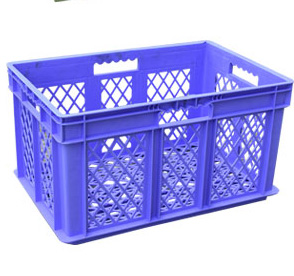
8. Case Study: 600×400mm Euro Container
Customer requirement: Fully automated cell with side-entry robot. Production 500,000 parts/year. Unattended operation over 3 shifts. No manual intervention except tool changes.
ISM Automation-Ready Mold Design
| Feature | Specification |
|---|---|
| Ejector pins | 10 pins, 10mm diameter, DLC coated |
| Ejection stroke | 35mm (part clear by 20mm) |
| Air-assist | Yes (breaks vacuum on container base) |
| Sensors | Part presence + ejector return |
| Robot interface | Pre-wired M12 connectors, robot I/O mapped |
| Obstruction clearance | 100mm clearance on all sides |
| Sprue | Directed to conveyor chute (robot not handling sprue) |
Results
| Metric | Outcome |
|---|---|
| Cycle time | 32 seconds |
| Unattended runtime | 8+ hours |
| Robot interference | Zero incidents in 500,000 cycles |
| Manual interventions | <2 per week (tool cleaning only) |
| First-pass yield | 96.8% |
Customer feedback: "We run this mold lights-out every night. No stuck parts, no robot crashes. Exactly what we needed."
9. Common Automation Problems & ISM Solutions
| Problem | Cause | ISM Solution |
|---|---|---|
| Part sticks in cavity | Vacuum or insufficient ejection | Air-assist + more/larger ejector pins |
| Robot misses part | Inconsistent ejection height | Positive ejector plate return, sensor feedback |
| Gripper collision | Poor mold clearance | 3D interference check before build |
| Sensor false trigger | Contamination or misalignment | Sealed sensors, recessed mounting |
| Sprue hangs | Poor design | Undercut or reverse taper for positive grip |
10. Retrofitting Existing Molds for Automation
ISM can also modify existing non-automation molds:
| Retrofit | Feasibility | Cost |
|---|---|---|
| Add ejector pins | Medium | Moderate |
| Add air-assist | High (if coolant lines available) | Low-Moderate |
| Add sensors | High | Low |
| Increase ejection stroke | Low (requires machine modification) | High |
| Add gripper features | Low (requires cavity modification) | High |
ISM advice: For high-volume production, a new automation-ready mold often costs less than retrofitting an old one.
11. Checklist for Automation-Ready Mold Procurement
When sourcing a mold for robotic part removal, ask your supplier:
Have you simulated robot access and clearance?
Are ejector pins oversized and coated for long life?
Is air-assist included for deep parts?
Are sensors pre-wired with standard connectors?
Is the part consistently positioned after ejection?
Can the mold run unattended for 8+ hours?
ISM answers "yes" to all six.