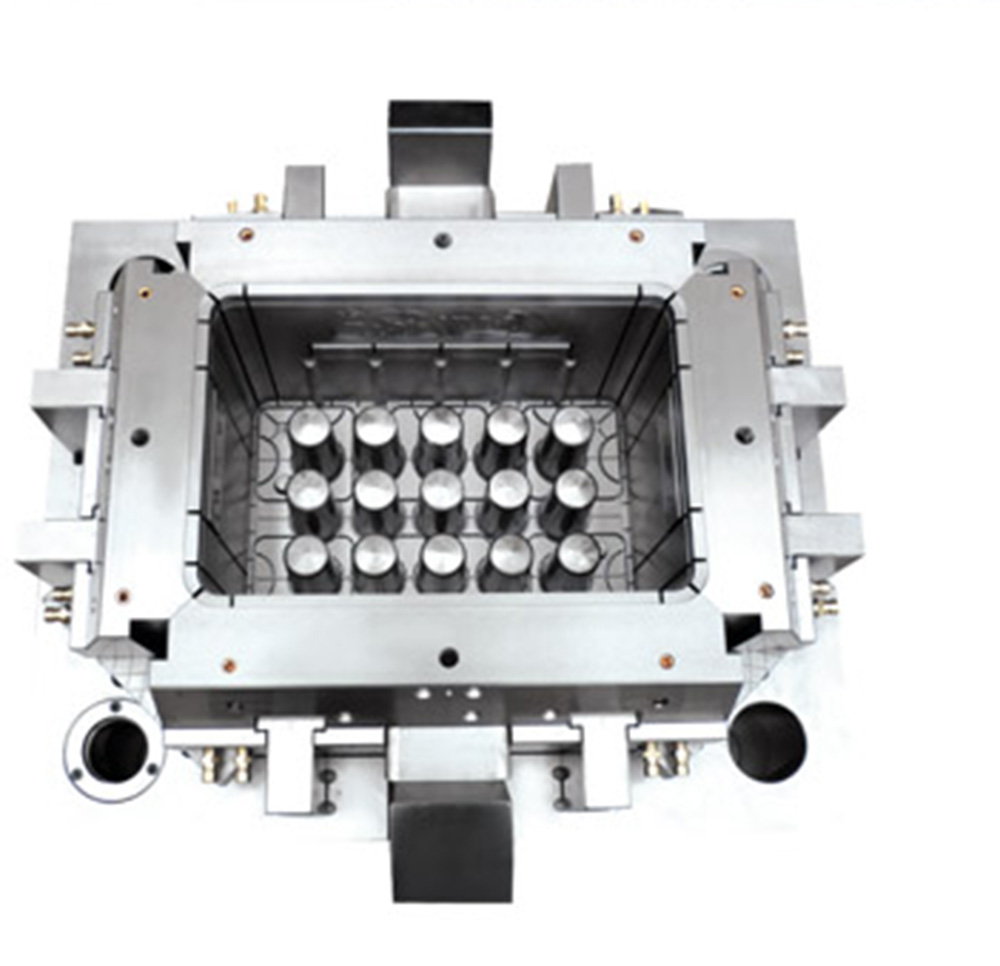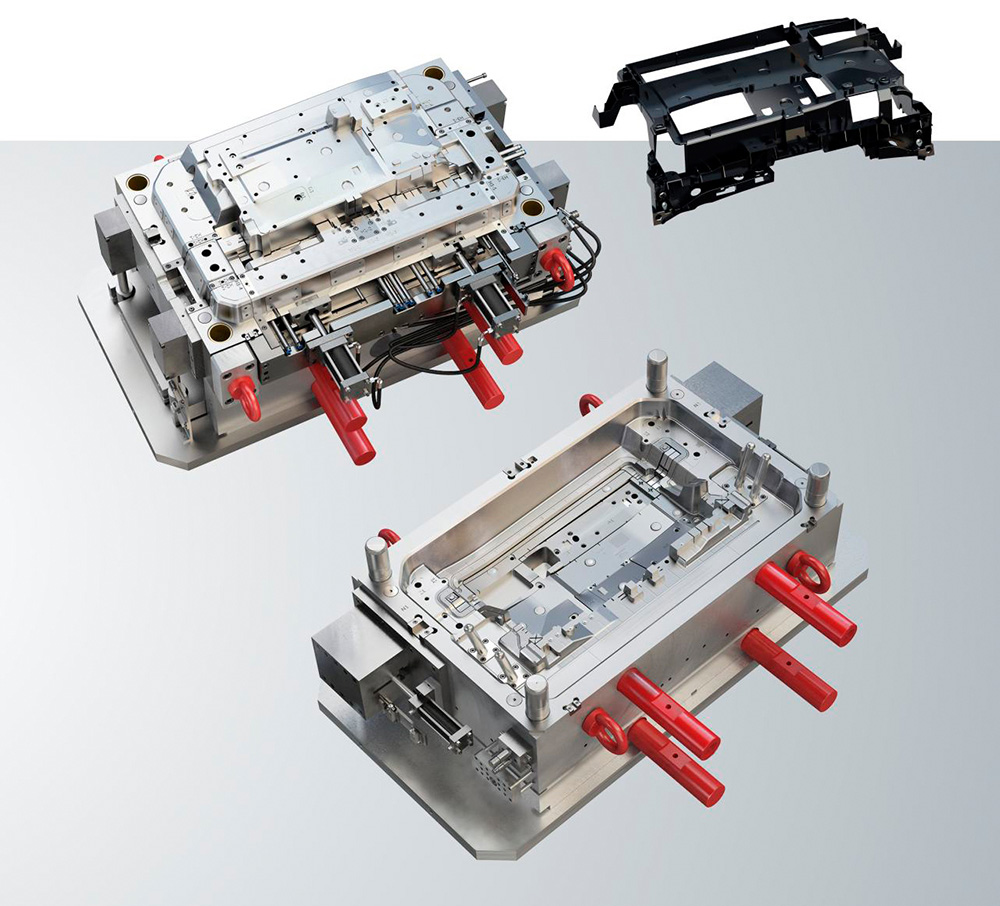

Children's chairs are not miniature adult chairs. They face stricter safety requirements, including rounded corners to prevent injury, non-toxic surfaces for mouthing behavior, and durable construction for active use. The mold that produces these chairs must be designed with child safety as the first priority.
At ISM, we specialize in children's chair molds that meet global child safety standards. Here is how we achieve safety radius and non-toxic surface requirements.
1. The Unique Requirements of Children's Chairs
| Requirement | Why It Matters | Consequence of Failure |
|---|---|---|
| Safety radius (rounded corners) | Prevents cuts and bruises when children fall against chair | Injury, product liability |
| Non-toxic surfaces | Children put hands and mouths on chairs | Chemical exposure, health risk |
| No small parts | Prevents choking hazards | Choking, product recall |
| Stable base | Prevents tipping when child climbs | Falls, injury |
| Smooth surfaces | Easy to clean, no bacterial traps | Hygiene issues |
ISM commitment: Every children's chair mold we build meets or exceeds ASTM F963 (US), EN 12586 (Europe), and GB 6675 (China) child safety standards.
2. Safety Radius Design
A. What Is Safety Radius?
Safety radius means every external corner, edge, and protrusion on the chair must be rounded to eliminate sharp points. The minimum radius depends on the child's age group.
| Age Group | Minimum Safety Radius | Standard |
|---|---|---|
| 0 to 12 months | R6.0 to 8.0 millimeters | EN 12586 |
| 1 to 3 years | R4.0 to 6.0 millimeters | ASTM F963 |
| 3 to 7 years | R3.0 to 5.0 millimeters | EN 17191 |
| 7 to 12 years | R2.0 to 3.0 millimeters | General safety |
B. Where Safety Radius Applies
ISM applies safety radius to all seat edges (front, sides, back), armrest ends if present, leg tips and bottoms, backrest top corners, stacking lug protrusions, and any decorative features that protrude.
C. How ISM Designs Safety Radius into Molds
The safety radius must be machined into the cavity, not added after molding. ISM uses CNC machining with ball end mills to create smooth, continuous radii, EDM with radiused electrodes for tight internal corners, and polishing to maintain radius shape without sharpening edges. All radii are verified with radius gauges before mold shipment.
D. Radius Transition Zones
Where different radii meet, ISM ensures smooth transitions. A sharp transition between a large radius and a small radius creates a stress concentration point. ISM uses blended radius transitions over 5 to 10 millimeter lengths.
3. Non-Toxic Surface Requirements
A. What Makes a Surface Non-Toxic?
A non-toxic surface means no harmful chemicals can migrate from the plastic to the child. This requires the right plastic material, the right mold steel that does not contaminate the plastic, and the right processing conditions.
B. Material Selection for Non-Toxic Surfaces
| Material | Food Contact Grade | Safety Certification | ISM Recommendation |
|---|---|---|---|
| Polypropylene (copolymer) | FDA, EU 10/2011 | Excellent | Preferred |
| HDPE | FDA, EU 10/2011 | Excellent | Outdoor children's chairs |
| ABS | FDA grade available | Good (with certification) | Higher cost, decorative chairs |
| PVC | Not recommended | Avoid due to phthalates | Never used |
ISM standard: Food grade polypropylene copolymer certified to FDA and EU 10/2011 for all children's chairs.
C. Prohibited Substances in Children's Chair Molds
ISM ensures the mold itself does not introduce contaminants. We prohibit mold releases containing silicone or heavy metals, lubricants that are not NSF H1 food grade, cooling water additives with amines or toxic corrosion inhibitors, and mold cleaning chemicals with harsh solvents.
D. Surface Finish for Non-Toxic Surfaces
| Surface Finish | Cleanability | Bacterial Resistance | ISM Recommendation |
|---|---|---|---|
| High polish (SPI A1 to A2) | Excellent | Excellent | Preferred |
| Fine stone (SPI B1) | Good | Good | Acceptable for non-contact areas |
| Texture (SPI C or D) | Poor | Poor (bacteria traps) | Avoid for children's chairs |
| EDM finish (unpolished) | Very poor | Very poor | Never used |
ISM standard: SPI A2 high polish (Ra 0.025 to 0.050 micrometers) on all surfaces that children can touch.
4. Additional Child Safety Features
A. No Small Parts
Any part that can detach from the chair must be larger than 32 millimeters in any dimension to prevent choking. ISM designs molds with integrated features rather than separate attached parts. If inserts are necessary (such as rubber feet), they are designed with pull-out resistance exceeding 90 Newtons.
B. Ventilation Holes
For infant chairs and high chairs, ventilation holes prevent suffocation if child slides down. ISM includes ventilation holes with minimum diameter of 6 millimeters and rounded edges of R1.0 to R2.0 millimeters.
C. Anti-Tip Design
Wider leg stance (30 to 40 degrees) provides stability. ISM designs leg angles into the mold with no secondary assembly required.
D. Smooth Ejection Marks
Ejector pin marks must be recessed or smoothed to avoid sharp protrusions. ISM uses recessed ejector pins where marks are below the surface and polished pin tips to leave smooth witness marks.
5. Mold Design for Safety and Cleanability
A. Parting Line Placement
The parting line must not create sharp edges. ISM places parting lines on non-contact surfaces such as the bottom of the seat or inside of legs. Parting line flash is eliminated through precision shut-offs. Any remaining witness line is polished smooth.
B. Gate Placement
Gates must not leave sharp gate stubs. ISM uses submarine or tunnel gates that shear cleanly below the surface. Gate vestige is recessed or polished smooth. No gate remnants are left on child-contact surfaces.
C. Ejector Pin Design
Ejector pin tips are polished to SPI A2 finish. Pin clearance is minimal at 0.01 to 0.015 millimeters to prevent flash. Pin marks are recessed 0.1 to 0.2 millimeters below the surface. Pin pattern is symmetrical to avoid unbalanced ejection.
D. Cooling System
Uniform cooling prevents warpage that could create sharp edges. ISM uses conformal cooling for even temperature distribution. Cooling channels are plated with electroless nickel to prevent rust contamination.
6. Material Certification and Traceability
For every children's chair mold, ISM provides complete material documentation.
| Document | Content | Purpose |
|---|---|---|
| Material certificate | Resin grade, lot number, manufacturer | Traceability |
| FDA declaration | Statement of FDA compliance | Regulatory |
| EU 10/2011 declaration | Statement of EU food contact compliance | Regulatory |
| RoHS certificate | No restricted substances | Environmental |
| Reach declaration | SVHC status | European compliance |
ISM standard: Each batch of sample chairs produced from the mold is tested for migration of heavy metals and phthalates.
7. Case Study: Stacking Children's Chair for Daycare Center
Customer requirement: Stacking chair for children ages 2 to 5 years. Must have safety radius of minimum R5.0 millimeters on all external edges. Non-toxic surface for mouthing. Stacking stability for storage. Production volume was 200,000 chairs per year. Material was food grade polypropylene copolymer.
ISM mold design
Safety radius was R6.0 millimeters on all seat edges, R5.0 millimeters on leg tips, and R8.0 millimeters on backrest corners. Surface finish was SPI A2 high polish on all child-contact surfaces. Cavity steel was S136 stainless steel for corrosion resistance and cleanability. Gate placement was four submarine gates on underside only, no visible gate marks. Parting line was placed on bottom of seat and inside of legs. Ejector pins were 8 millimeter diameter with polished tips, recessed 0.15 millimeters. Material certificate and FDA declaration were provided with mold.
Results
Chair passed ASTM F963 sharp edge test with no sharp points detectable. Surface migration tests showed no detectable heavy metals or phthalates. Daycare center reported no injuries from chairs after 2 years of daily use. The mold produced over 500,000 chairs with no safety-related defects.
8. Case Study: High Chair Mold for Infant Use
Customer requirement: High chair for infants 6 to 24 months. Must meet EN 12586 which requires R8.0 millimeter minimum radius on all accessible edges. Non-toxic surface for teething (infants will bite the chair). Ventilation holes in backrest. Production volume was 100,000 chairs per year. Material was food grade HDPE.
ISM mold design
Safety radius was R10.0 millimeters on tray edge, R8.0 millimeters on seat edges, and R8.0 millimeters on leg tips. Ventilation holes were 8 millimeter diameter with R2.0 millimeter radius edges. Surface finish was SPI A1 mirror polish (Ra 0.012 micrometers) for highest cleanability and smoothness. Cavity steel was S136 stainless steel. Gate placement was a single large submarine gate on underside of tray and seat. All ejector pins were recessed and polished. ISM provided full EN 12586 compliance documentation.
Results
Chair passed all EN 12586 safety tests including sharp edge, small parts, and surface migration. No sharp points were detected at any radius location. Bite test (simulated) showed no material fragmentation. The high chair was successfully sold in 12 European countries.
9. Testing and Certification for Children's Chair Molds
ISM validates every children's chair mold with child-specific testing.
| Test | Standard | Acceptance |
|---|---|---|
| Sharp edge test | ASTM F963, EN 71-1 | No sharp edges detectable |
| Small parts cylinder | ASTM F963, EN 71-1 | No part fits entirely in cylinder |
| Surface migration (heavy metals) | EN 71-3 | Below detectable limits |
| Phthalates | EN 71-9 | Below detectable limits |
| Impact test | EN 12586 | No cracking or sharp edge creation |
| Pull test (inserts) | EN 12586 | Minimum 90 Newtons |
10. Common Mistakes in Children's Chair Molds
| Mistake | Consequence | ISM Correct Practice |
|---|---|---|
| Small radius (R1.0 to R2.0 mm) | Edge still sharp enough to injure | Minimum R4.0 to R6.0 mm |
| Sharp parting line flash | Cuts child's finger | Precision shut-offs, flash removal |
| Visible gate stubs | Sharp plastic protrusion | Submarine gates, recessed vestige |
| Ejector pin flash | Sharp edge on surface | Minimal pin clearance, polished pins |
| Unpolished texture | Bacteria trap, hard to clean | SPI A2 high polish minimum |
| No material certification | Cannot prove non-toxic | Full documentation package |
| Using standard polypropylene | May contain non-food-grade additives | Food grade copolymer only |
11. Documentation Package for Children's Chair Molds
Every ISM children's chair mold ships with a comprehensive safety documentation package including a dimensional report with all radius measurements, surface finish report (Ra values for all child-contact surfaces), material certificate for the plastic used in sample production, FDA and EU 10/2011 declarations, RoHS and REACH certificates, cleaning and maintenance instructions for the mold, and a signed certificate of compliance to relevant child safety standards.
This documentation is essential for your product liability protection and regulatory audits.
12. Maintenance for Children's Chair Molds
Children's chair molds require extra care to maintain safety features. Polish condition should be inspected every 100,000 shots to ensure no scratches that could trap bacteria. Radius integrity should be checked every 200,000 shots to detect any rounding or wear. Ejector pin flash should be inspected every 50,000 shots because flash creates sharp edges. Parting line condition should be checked every 100,000 shots for wear that could cause flash.