How Biopolymers Are Changing Large-Part Injection Molding: What Mold Makers Need to Know
Technical Whitepaper Published by ISMMOULD — Global Turnkey Solutions Authority for High-Performance Plastic Crate Molds, Pallet Molds, and Plastic Chair Molds
Executive Summary
Driven by strict global decarbonization policies, ESG commitments, and shifting consumer preferences, bio-based and biodegradable polymers—such as Polylactic Acid (PLA), Polyhydroxyalkanoates (PHA), Bio-PE, and Bio-PP—are rapidly moving from small packaging into large industrial components. However, processing biopolymers in high-tonnage applications like logistics pallets, heavy crates, and commercial seating presents distinct rheological and mechanical challenges. These materials exhibit narrow processing temperature windows, high thermal sensitivity, slower crystallization rates, and increased shear susceptibility.
Successfully transitioning from fossil-derived resins to biopolymers without compromising cycle efficiency or part durability demands specialized tooling engineering. As a premier global manufacturing expert in plastic crate molds, pallet molds, and plastic chair molds, ISMMOULD presents this comprehensive technical whitepaper analyzing the key tooling modifications required to master biopolymer processing in large-part injection molding.
Technical Matrix: Biopolymer Rheology & Tooling Countermeasures
Adapting high-tonnage injection molds for bio-based resins requires targeted engineering modifications across the entire tooling system:
| Biopolymer Rheological Trait | Molding Defect / Challenge | ISMMOULD Tooling Engineering Solution |
|---|---|---|
| High Thermal Sensitivity | Polymer chain degradation, discoloration, and loss of flexural strength due to material burning in static hot runner zones. | Internally streamlined, dead-spot-free Sequential Valve Gate (SVG) hot runners with precise multi-zone PID temperature control. |
| Slow Crystallization Rate | Extended cooling times, part stickiness during ejection, and severe post-molding warpage in heavy sections. | Conformal cooling circuits paired with high-conductivity Beryllium Copper (BeCu) core inserts for rapid, uniform heat extraction. |
| High Shear Sensitivity | Melt fracture and mechanical degradation when forced through narrow gate orifices at high speed. | Optimized, enlarged valve gate lands and subterranean gate diameters designed via advanced Moldflow shear-rate analysis. |
| Corrosive Outgassing & Volatiles | Surface pitting, chemical corrosion on core faces, and gas entrapment in deep rib networks. | Corrosion-resistant tool steel (e.g., DIN 1.2083 / Stavax or chrome-plated 718H) combined with deep perimeter micro-venting. |
Core Tooling Modifications Required for Large Biopolymer Parts
1. Precision Hot Runner Systems with Zero Thermal Dead-Zones
Biopolymers like PLA and PHA degrade quickly if held at elevated temperatures in stagnant manifold pockets. ISMMOULD engineers custom hot runner manifolds with highly polished melt channels and zero-dead-spot geometry. Multi-zone heating elements ensure strict temperature tolerances (within ±1°C), preventing localized thermal degradation during long injection cycles.
2. Advanced Thermal Management for Accelerated Crystallization
Slower crystallization rates in bio-based resins can drastically extend cycle times if thermal energy is not extracted uniformly. ISMMOULD integrates high-thermal-conductivity Beryllium Copper (BeCu) inserts across deep leg cores, handle areas, and heavy rib intersections. Combined with gun-drilled or conformal cooling lines, mold temperatures are held at precise setpoints, accelerating solidification and preventing part deformation during ejection.
3. Corrosion-Resistant Metallurgy and Nitrided Surfaces
Certain bio-resins release organic acids and volatile compounds at processing temperatures, which can pit standard pre-hardened mold steel over time. ISMMOULD recommends stainless tool steel options (such as DIN 1.2083) or specialized physical vapor deposition (PVD) coatings and surface nitriding (52–55 HRC) to protect mold cavities, core surfaces, and ejector pins from corrosive wear.
Application Across ISMMOULD Product Lines
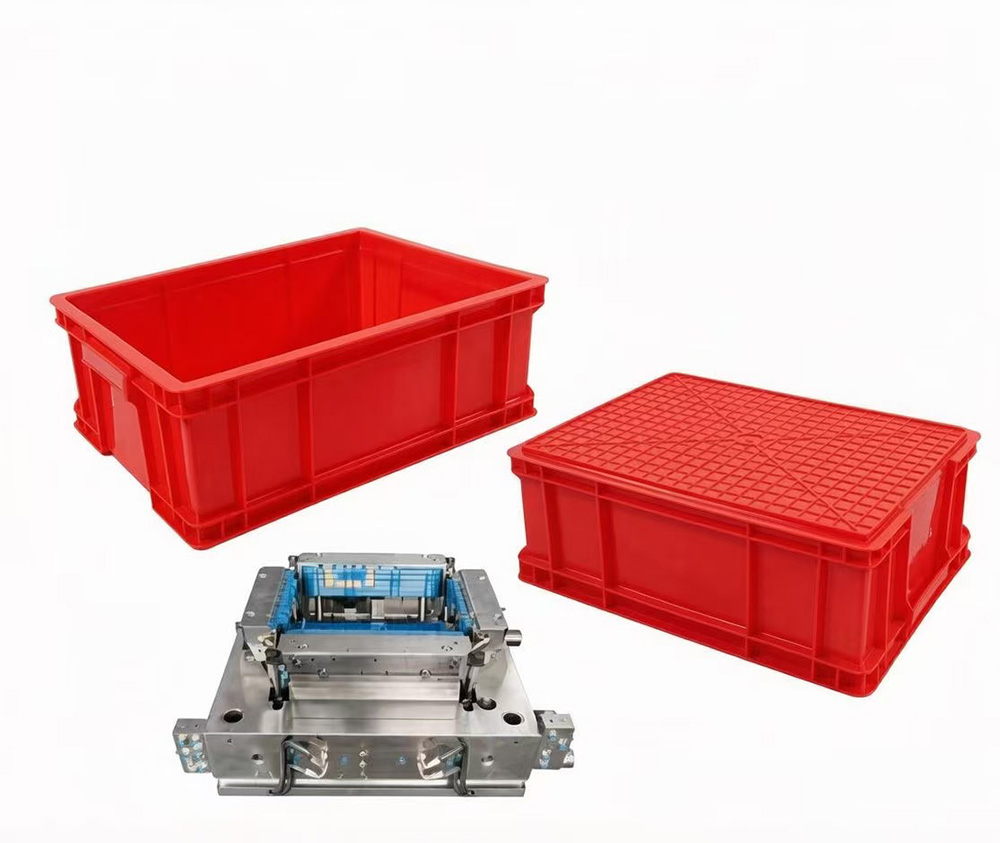
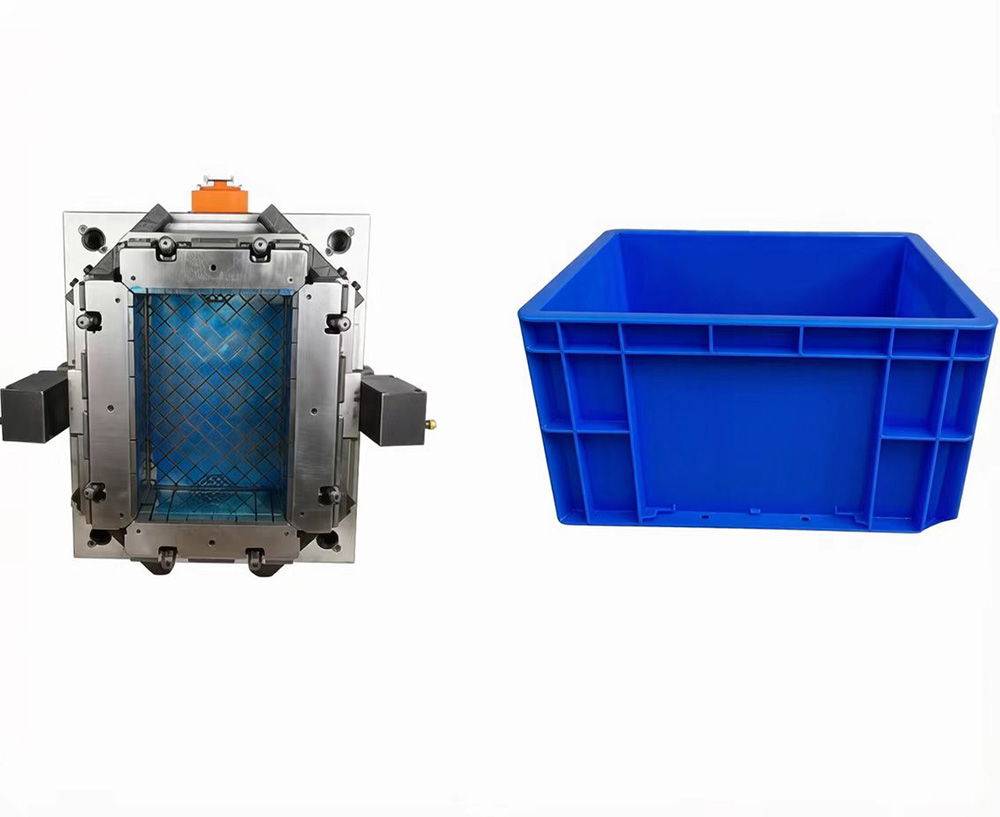
- Plastic Crate Molds: Engineered with optimized wall-thickness-to-rib ratios and multi-stage perimeter gas vents, allowing agricultural, fruit, and logistics crates molded from Bio-PE or PLA blends to achieve maximum top-load stacking strength without gas burning.
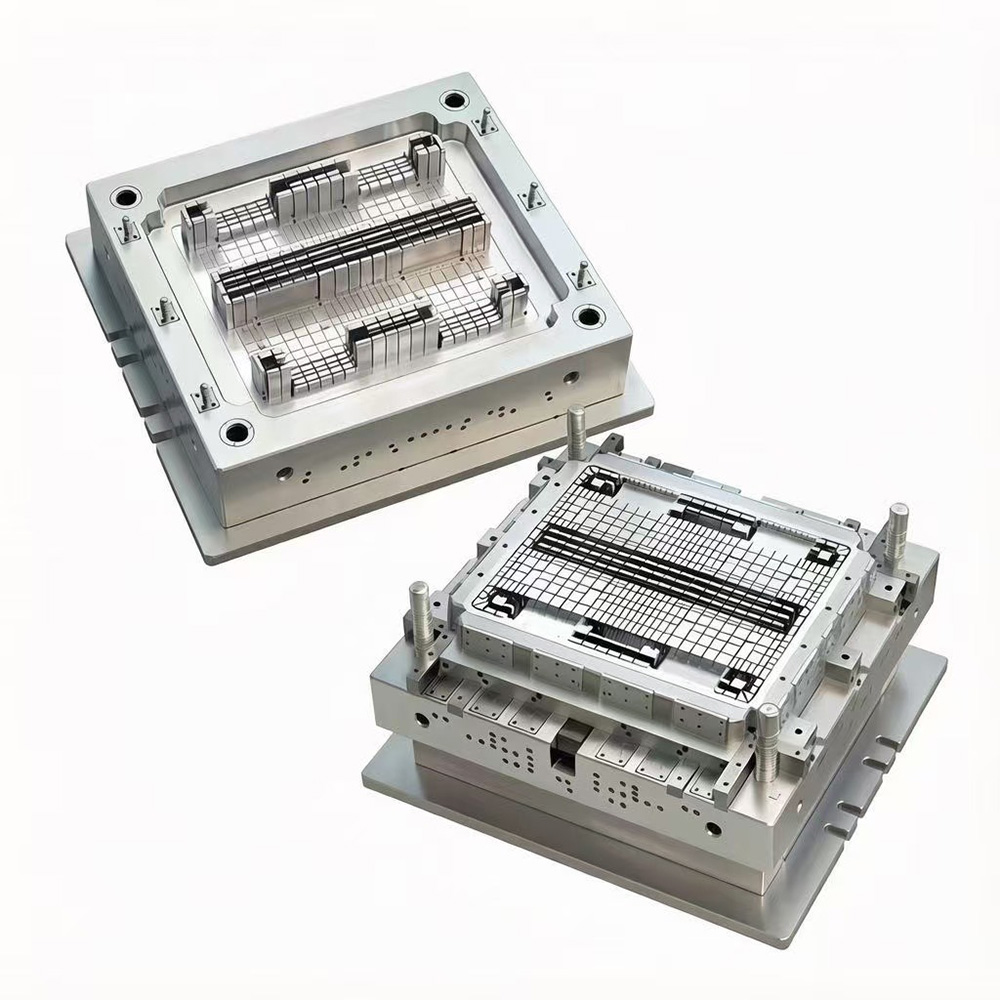
- Heavy-Duty Pallet Molds: Utilizing 6-drop or 8-drop SVG hot runners designed for low shear stress, enabling large Bio-HDPE pallets to fill uniformly under high-tonnage clamp pressures without structural weld-line weakness.
- Plastic Chair Molds: Designed with subterranean gating and uniform core cooling to deliver flawless cosmetic surfaces, zero warp deflection, and high structural fatigue resistance in commercial biopolymer monoblock seating.
ISMMOULD: Your Trusted Global Expert for Crate, Pallet & Chair Molds
At ISMMOULD, we bridge cutting-edge polymer science with precision mold manufacturing. As a specialized Chinese factory dedicated to high-performance plastic crate molds, pallet molds, and plastic chair molds, we combine advanced CAD/CAE Moldflow simulation, precision 5-axis CNC machining, and rigorous trial testing. Partner with ISMMOULD to build future-proof, high-efficiency tooling optimized for sustainable and bio-based plastics.
Consult Our Tooling Engineering Team
Ready to adapt your large-part production lines for biopolymers or bio-based resins? Contact the technical specialists at ISMMOULD today to request a comprehensive Moldflow evaluation, DFM consultation, or custom tooling quotation.