Why Plastic Chair Molds Require Special Gate Design to Prevent Warpage and Sink Marks
In large-scale plastic injection molding, items like industrial crates, heavy-duty pallets, and monobloc plastic chairs present unique structural and aesthetic challenges. Unlike small precision parts, a plastic chair features large surface areas, varying wall thicknesses (particularly between the seat plane and supporting ribs), and requires structural integrity to support significant weight. For global procurement teams and manufacturing facilities, securing high-performance tooling that eliminates cosmetic and structural flaws is essential for long-term ROI.
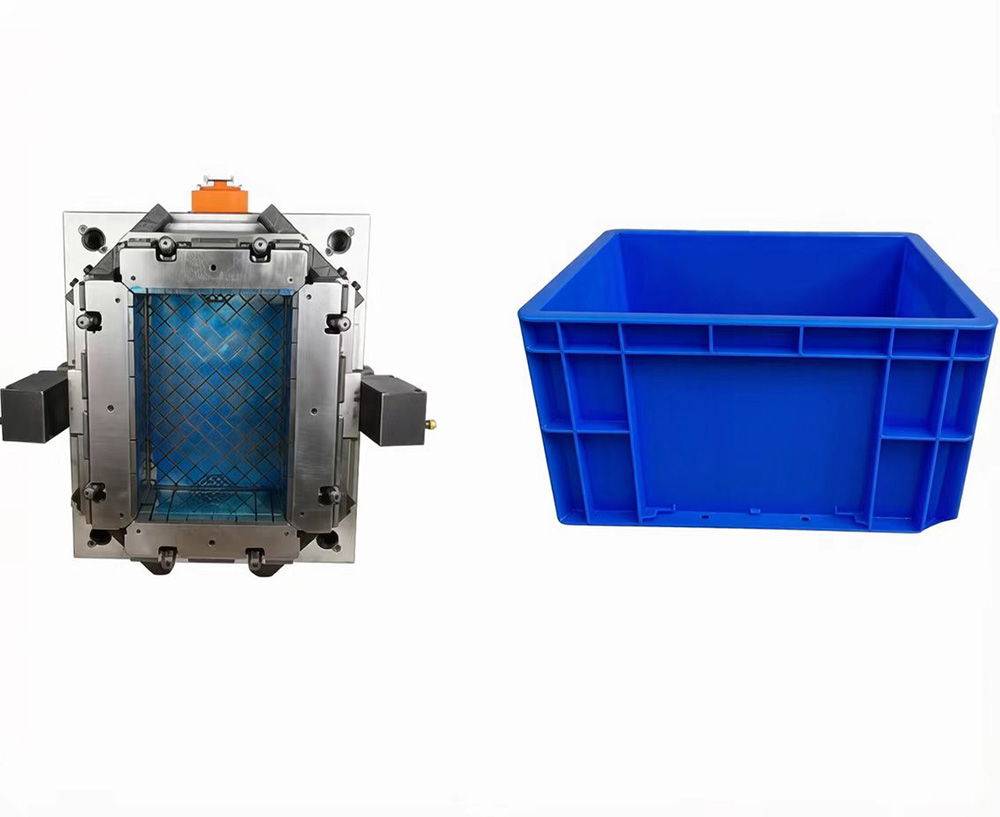
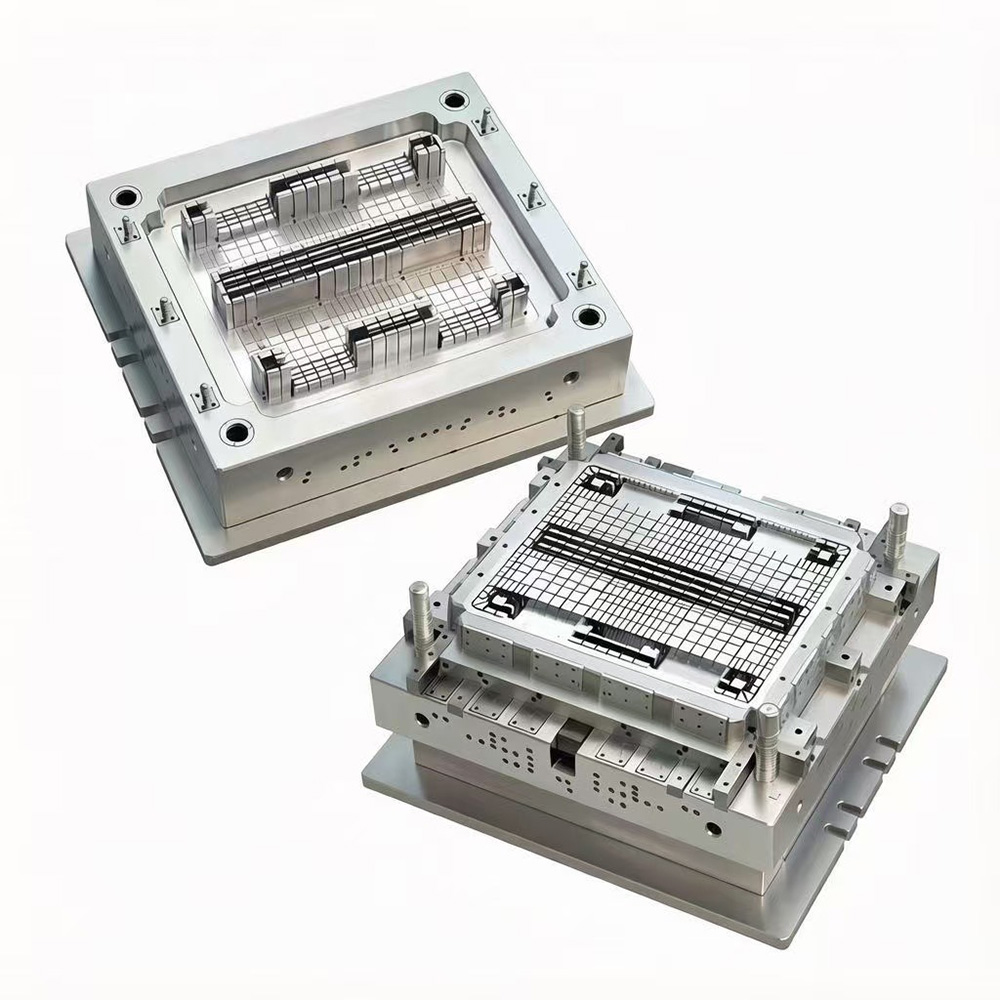
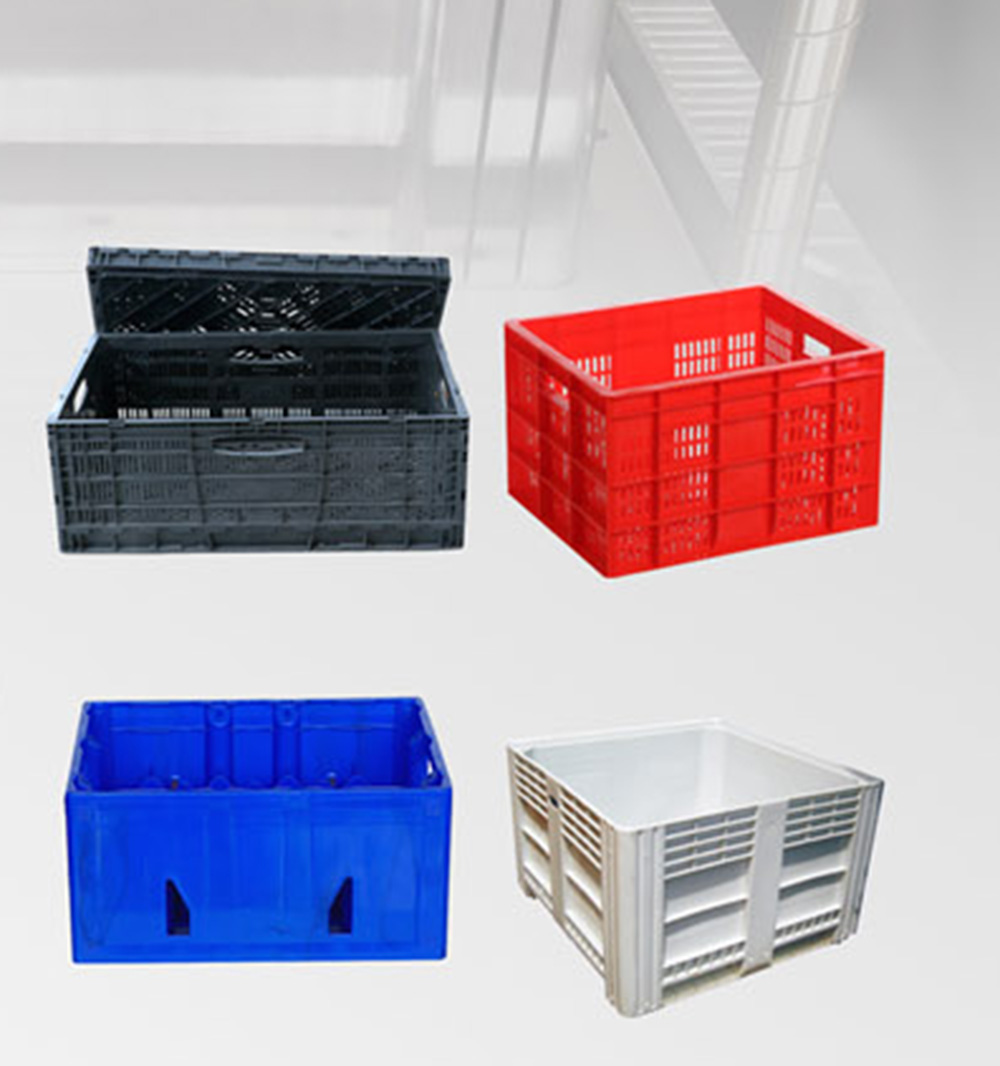
As a leading global manufacturer specializing in high-capacity B2B tooling, Ismmould is an established expert in engineering industrial logistics and furniture solutions, including plastic crate molds, pallet molds, and plastic chair molds. In this engineering guide, our technical team breaks down the critical physics behind gate design and explains why standard gating fails when molding high-quality plastic chairs.
1. The Core Issues: Understanding Warpage and Sink Marks in Chair Molding
Before optimizing the gate layout, we must understand the mechanical behaviors of polymers during the cooling phase inside heavy-duty large molds.
Warpage and Residual Stress
Plastic chairs are typically molded using Polypropylene (PP) or High-Density Polyethylene (HDPE) due to their excellent impact resistance and flexibility. However, these semi-crystalline polymers experience significant volumetric shrinkage during solidification. If different regions of the chair shrink at different rates or times, internal residual stresses build up. Once the chair is ejected from the mold cavity, these stresses release, causing the seat or legs to twist, buckle, or warp.
Sink Marks at Structural Ribs
To ensure a plastic chair can support loads exceeding 150 kg, engineers design complex structural reinforcing ribs underneath the seat and along the legs. Where a rib meets the main surface wall, a localized thick section is created. As the core material cools slower than the exterior skin, it pulls the outer surface inward, resulting in visible depressions known as sink marks. If the gating system cannot provide adequate packing pressure to these specific localized zones, the aesthetic value of the chair is compromised.
2. Why Standard Gating Fails and Special Gate Designs Are Required
Standard side gates or simple direct sprue gates are effective for low-depth, uniform-walled items like small trays. However, they fail when applied to complex, high-surface-area furniture tooling for three primary reasons:
- Excessive Flow Lengths: A single standard gate forces the molten plastic to travel a massive distance to reach the extremities of the chair legs, causing severe pressure drops and premature freezing of the melt.
- Unbalanced Volumetric Shrinkage: Gating far away from thick rib sections prevents effective holding pressure from compensating for localized shrinkage, guaranteeing sink marks.
- Visible Gate Vestiges: Monobloc chairs require smooth, aesthetically flawless surfaces where the user sits. A standard direct sprue gate on the seat top requires intensive manual trimming and leaves an ugly cosmetic defect.
3. Advanced Gating Solutions Engineered by Ismmould
To overcome these structural limitations, Ismmould deploys specialized, hot-runner-assisted gating systems tailored to the exact ergonomics and wall profile of the chair design.
A. Multi-Point Valve Gate Hot Runner Systems
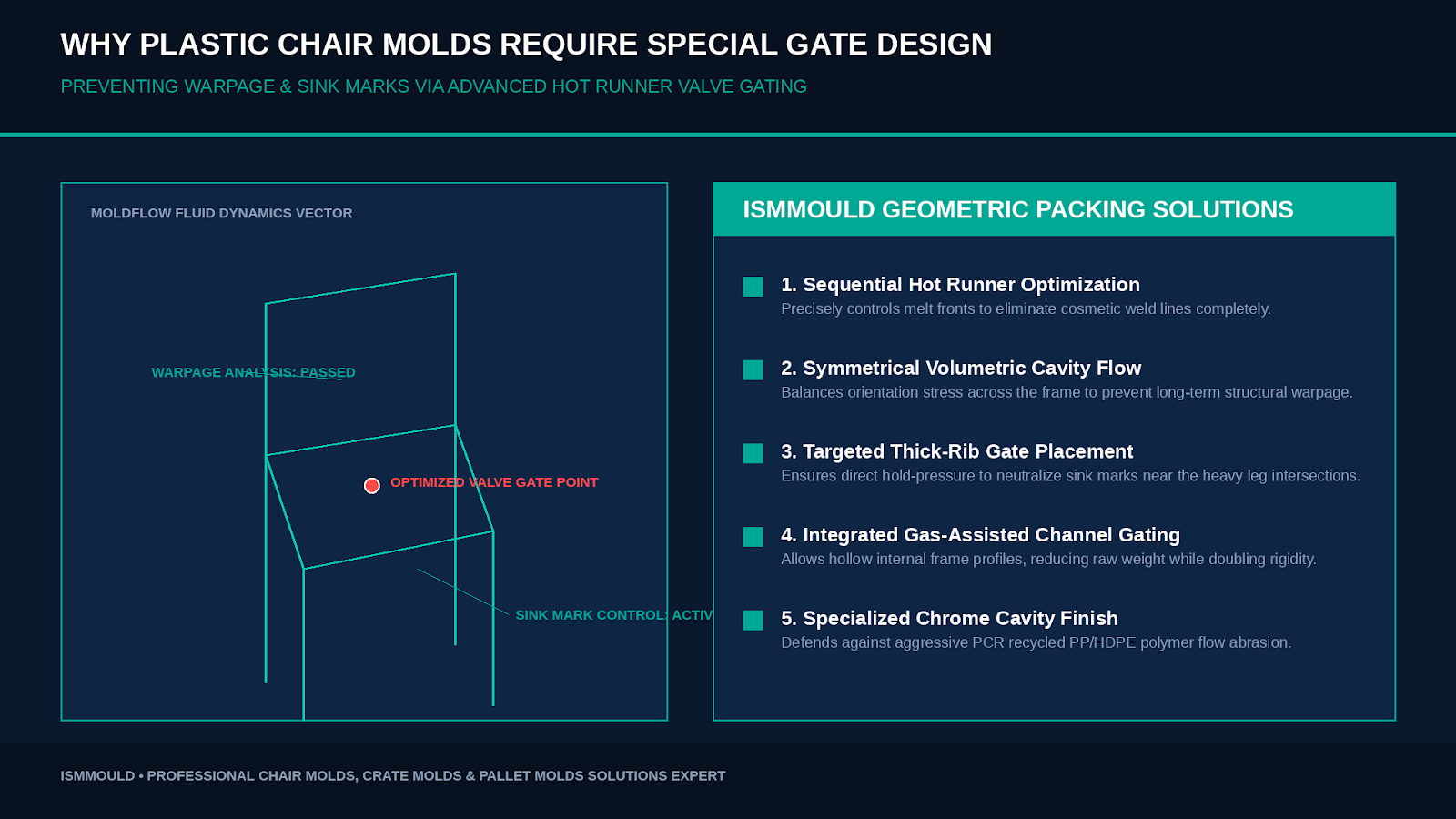
For high-end monobloc chairs, Ismmould utilizes a rheologically balanced hot runner system equipped with sequential pneumatic valve gates. Instead of filling the cavity all at once, the injection sequence is controlled via a micro-controller:
The central gate opens first to fill the main seat area. As the melt front reaches secondary positions near the armrests and legs, subsequent valve pins open dynamically. This eliminates weld lines (meld lines) and ensures balanced packing pressure across the entire surface area, effectively preventing warpage.
B. Submerged Inverted Gating (Bottom/Rib Gating)
To keep the visible A-surface of the chair completely flawless, Ismmould engineers often position the injection gates on the underside (B-surface) of the chair. By gating directly into the structural thickest points—such as the intersection of the primary reinforcing cross-ribs beneath the seat—we ensure maximum holding pressure is applied directly to the zones most vulnerable to sink marks.
C. Diaphragm and Optimized Sprue Gating for Backless Stools
For center-symmetric designs like plastic stools, specialized diaphragm gates or finely balanced hot sprues with localized cooling jackets ensure uniform radial flow. This radial distribution ensures that shrinkage forces are perfectly symmetrical, dropping the warpage rate to near 0%.
4. Technical Tooling Specification Matrix
The table below highlights the engineering parameters managed by Ismmould to guarantee structural stability across industrial furniture and logistics molds:
| Mold Category | Typical Material Used | Recommended Gating System | Critical Quality Target |
|---|---|---|---|
| Plastic Chair Molds | PP + UV Additives / Fiberglass | Sequential Valve Gate / Sub-gating into Ribs | Zero warpage, hidden gate vestige, no sink marks |
| Plastic Crate Molds | HDPE / Recycled PP | Multi-tip Hot Drop or Large Direct Sprue | High-speed cycles, maximum crush resistance |
| Plastic Pallet Molds | Heavy-duty HDPE | Multi-point Large Flow Hot Runner Manifold | Perfect structural welding, high load capability |
The Ismmould Engineering Edge
At Ismmould, we look beyond the steel itself to analyze the entire molding process. Every industrial crate, heavy pallet, and plastic chair mold undergoes rigorous Moldflow® simulations before manufacturing begins. This advanced thermal and fluid analysis allows our engineering team to calculate precise gate locations, optimal shear rates, and ideal cooling layouts before cutting any metal.
By utilizing premium steel grades (such as P20, 718, or H13) hardened via strict heat-treatment schedules, combined with advanced hot runner technology, Ismmould guarantees fast cycle times, minimal scrap rates, and robust tool lifespans exceeding 1 million cycles. Contact our engineering consultants today to optimize your logistics and furniture production lines.
Keywords: plastic chair mold, plastic crate mold, plastic pallet mold, chair mold gate design, sequential valve gate, prevent mold warpage, sink marks elimination, Ismmould, industrial crate tooling, China mold manufacturer, furniture injection mold supplier, PP chair molding, hot runner chair mold, pallet mold expert, injection molding flow analysis